

How to reduce the energy consumption of Cast Iron Motor IE2?
Aug 08, 2025
As a supplier of Cast Iron Motor IE2, I understand the increasing demand for energy - efficient solutions in the industrial and commercial sectors. Energy consumption is a significant concern for businesses, not only from a cost - saving perspective but also in terms of environmental sustainability. In this blog, I will share some effective strategies on how to reduce the energy consumption of Cast Iron Motor IE2.
1. Proper Motor Sizing
One of the most fundamental steps in reducing energy consumption is to ensure that the Cast Iron Motor IE2 is properly sized for the application. An oversized motor will operate at a lower efficiency point, consuming more energy than necessary. When a motor is too large for the load it is driving, it will draw more current even when the load is light.

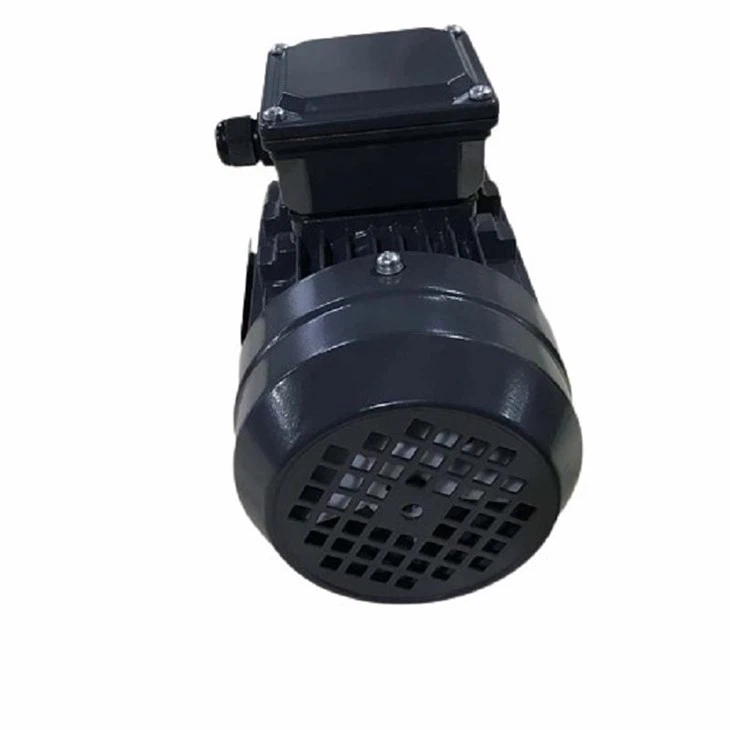
For example, if a conveyor belt system only requires a certain amount of power to operate smoothly, using an oversized Cast Iron Motor IE2 will result in unnecessary energy waste. To determine the correct motor size, a detailed analysis of the load requirements, including torque, speed, and duty cycle, should be conducted. This analysis can be based on engineering calculations, historical data from similar applications, or on - site measurements. By selecting the right - sized motor, we can significantly improve the motor's efficiency and reduce energy consumption. More information about Cast Iron Motor IE2 can be found on our website Cast Iron Motor Ie2.
2. Regular Maintenance
Regular maintenance is crucial for the efficient operation of Cast Iron Motor IE2. Over time, motors can accumulate dirt, dust, and debris, which can affect their performance. For instance, clogged ventilation systems can cause the motor to overheat, leading to increased energy consumption as the motor has to work harder to maintain its operation.
Lubrication is another important aspect of maintenance. Proper lubrication of bearings reduces friction, which in turn reduces the amount of energy required to turn the motor shaft. Worn - out bearings can cause excessive vibration and increased energy consumption. Regularly checking and replacing bearings when necessary can prevent these issues.
In addition, electrical connections should be inspected regularly. Loose or corroded connections can increase resistance, leading to power losses and higher energy consumption. By keeping the motor clean, well - lubricated, and with proper electrical connections, we can ensure that it operates at its optimal efficiency.
3. Variable Frequency Drives (VFDs)
Installing Variable Frequency Drives (VFDs) on Cast Iron Motor IE2 can be an effective way to reduce energy consumption. VFDs allow the motor speed to be adjusted according to the actual load requirements. In many applications, the load on the motor varies over time. For example, in a water pumping system, the water demand may change throughout the day.
Without a VFD, the motor would run at a constant speed, consuming the same amount of energy regardless of the actual water demand. However, with a VFD, the motor speed can be reduced when the demand is low, resulting in significant energy savings. VFDs can also provide a soft - start function, which reduces the inrush current when the motor starts. This not only saves energy but also extends the motor's lifespan by reducing mechanical stress on the motor and the driven equipment.
4. Power Factor Correction
Power factor is an important parameter that affects the energy consumption of electrical motors. A low power factor means that the motor is drawing more current from the power supply than is actually required to do the useful work. This results in increased energy losses in the electrical distribution system and higher electricity bills.
For Cast Iron Motor IE2, power factor correction can be achieved by installing power factor correction capacitors. These capacitors compensate for the reactive power drawn by the motor, improving the power factor. By improving the power factor, we can reduce the current drawn by the motor, which in turn reduces energy consumption and the associated costs.
5. Upgrading to Higher - Efficiency Motors
If possible, upgrading to higher - efficiency motors can be a long - term solution for reducing energy consumption. While Cast Iron Motor IE2 already meets certain energy - efficiency standards, there may be newer and more efficient motor models available in the market. For example, compared with some older motor designs, the IE2 standard motors offer better efficiency, but there are also IE3 or even higher - efficiency motors that can provide even greater energy savings.
When considering an upgrade, it is important to evaluate the cost - effectiveness. The initial investment in a higher - efficiency motor may be higher, but the long - term energy savings can often offset the additional cost. In addition, some governments and utility companies offer incentives or rebates for upgrading to energy - efficient motors, which can further reduce the financial burden.
6. Load Management
Proper load management is essential for reducing the energy consumption of Cast Iron Motor IE2. This involves scheduling the operation of the motor - driven equipment to avoid peak - load periods. In many power grids, electricity rates are higher during peak - load hours. By running the motor - driven equipment during off - peak hours, we can take advantage of lower electricity rates and reduce energy costs.
For example, in an industrial manufacturing plant, some non - critical processes can be scheduled to run at night when the electricity demand is lower. This not only reduces the energy consumption but also helps to balance the overall electricity demand on the grid.
7. Comparison with Other Motor Types
It is also interesting to compare Cast Iron Motor IE2 with other motor types, such as Ie2 Aluminum Motor and Single Phase Asynchronous Motor. Aluminum motors are generally lighter in weight compared to cast - iron motors. However, cast - iron motors often have better heat - dissipation properties, which can contribute to their long - term efficiency.
Single - phase asynchronous motors are commonly used in small - scale applications. In contrast, Cast Iron Motor IE2 is more suitable for medium - to large - scale industrial applications. Understanding the characteristics of different motor types can help customers make more informed decisions when it comes to motor selection, which in turn can affect energy consumption.
Conclusion
Reducing the energy consumption of Cast Iron Motor IE2 is a multi - faceted task that requires a combination of proper motor sizing, regular maintenance, the use of advanced technologies such as VFDs and power factor correction, and strategic load management. By implementing these strategies, businesses can not only save on energy costs but also contribute to a more sustainable environment.
If you are interested in learning more about our Cast Iron Motor IE2 or have any questions regarding energy - saving solutions, we encourage you to contact us for a detailed discussion. Our team of experts is ready to assist you in finding the most suitable motor and energy - saving strategies for your specific application.
References
- IEEE Standard 112 - 2017, “IEEE Standard Test Procedures for Polyphase Induction Motors and Generators.”
- International Electrotechnical Commission (IEC) standards related to motor efficiency, such as IEC 60034 - 30 - 1:2014.
- ASHRAE Handbook - HVAC Systems and Equipment, which provides guidelines on motor selection and energy - efficiency improvement in heating, ventilation, and air - conditioning systems.