

What is the insulation class of a woodworking motor?
Jun 13, 2025
Insulation class is a crucial factor when it comes to woodworking motors. As a woodworking motor supplier, I've witnessed firsthand how the right insulation class can enhance a motor's performance, durability, and safety. In this blog post, I'll delve into what insulation class means for woodworking motors, why it matters, and how to choose the appropriate one for your woodworking needs.
Understanding Insulation Class
Insulation class refers to the maximum temperature that the insulation materials in an electric motor can withstand over a long - term period without significant degradation. Different insulation classes are defined by international standards, each with a specific temperature limit. The main insulation classes for motors are Class A, Class E, Class B, Class F, and Class H.
- Class A: This is the lowest - rated insulation class, with a maximum temperature limit of 105°C. It was commonly used in older motors, but due to its relatively low temperature tolerance, it's less prevalent in modern woodworking motors.
- Class E: With a maximum temperature limit of 120°C, Class E insulation offers better heat resistance than Class A. It provides a balance between cost and performance, making it suitable for some light - to - medium - duty woodworking applications.
- Class B: Class B insulation can handle temperatures up to 130°C. It's widely used in woodworking motors because it offers a good combination of heat resistance, reliability, and cost - effectiveness. Motors with Class B insulation can operate efficiently in a variety of woodworking environments.
- Class F: This class has a maximum temperature limit of 155°C. Class F insulation is often used in high - performance woodworking motors, especially those that are subject to heavy loads or continuous operation. The higher temperature tolerance allows the motor to run at higher power levels without overheating.
- Class H: Class H insulation can withstand temperatures up to 180°C. It's typically used in extreme - duty woodworking applications, such as large - scale industrial woodworking machinery that operates for long hours under high loads.
Why Insulation Class Matters in Woodworking Motors
The insulation class of a woodworking motor is not just a technical specification; it has a direct impact on the motor's performance, lifespan, and safety.
Performance
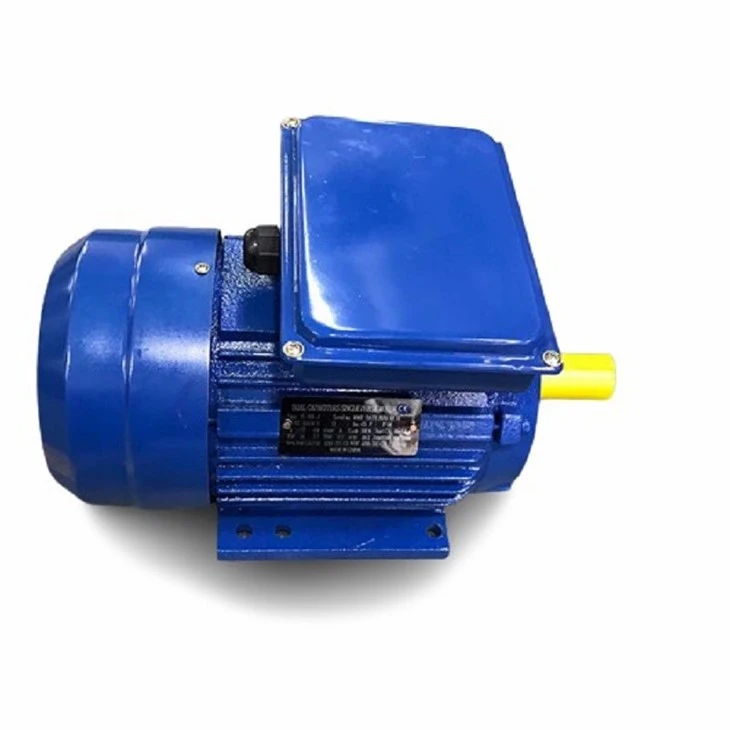
A motor with a higher insulation class can operate at higher temperatures without losing its efficiency. In woodworking, where motors often need to run continuously for extended periods, especially in industrial settings, a motor with good heat - resistant insulation can maintain its power output and torque. For example, a Woodworking Motor with Class F or Class H insulation can handle the heat generated during heavy - duty cutting, sanding, or routing operations, ensuring smooth and consistent performance.

Lifespan
Excessive heat is one of the main factors that can shorten a motor's lifespan. When a motor operates above the maximum temperature limit of its insulation class, the insulation materials start to degrade, leading to increased electrical resistance, potential short - circuits, and ultimately motor failure. By choosing a motor with an appropriate insulation class for the expected operating conditions, you can significantly extend the motor's lifespan. For instance, a Class B motor might be sufficient for a small - scale woodworking shop with intermittent use, while a Class F or H motor would be a better choice for a large - scale factory with continuous production.
Safety
Insulation also plays a crucial role in ensuring the safety of the motor and the operators. Proper insulation prevents electrical leakage, which can pose a serious risk of electric shock. A motor with a high - quality insulation class is less likely to experience insulation breakdown, reducing the risk of electrical fires and other safety hazards.
Factors to Consider When Choosing the Insulation Class
When selecting a woodworking motor, several factors should be taken into account to determine the appropriate insulation class.
Operating Environment
The temperature and humidity of the woodworking environment are important considerations. If the workshop is located in a hot climate or if the motor will be exposed to direct sunlight or other heat sources, a motor with a higher insulation class may be required. Similarly, in a humid environment, the insulation materials need to be able to resist moisture, and a higher - quality insulation class can provide better protection.
Load and Duty Cycle
The load that the motor will carry and the duty cycle (the ratio of operating time to rest time) are also critical. Heavy - duty woodworking operations, such as running large - diameter saw blades or high - speed routers, generate more heat and require a motor with a higher insulation class. Motors that operate continuously for long periods without breaks also need better heat - resistant insulation.
Cost
Higher - class insulation materials are generally more expensive. Therefore, it's important to balance the performance requirements with the cost. For small - scale woodworking businesses or hobbyists, a motor with a Class B or E insulation may be sufficient, while large - scale industrial operations may justify the investment in a Class F or H motor.
Our Woodworking Motor Offerings
As a woodworking motor supplier, we offer a wide range of motors with different insulation classes to meet the diverse needs of our customers.
- Our Single Phase Cast Iron Motor is available with Class B and Class F insulation. The Class B version is suitable for light - to - medium - duty single - phase woodworking applications, such as small table saws and benchtop routers. The Class F version, on the other hand, can handle more demanding tasks, providing reliable performance even under heavy loads.
- Our Three Phase Cast Iron Motor Ie1 comes with Class F and Class H insulation options. These three - phase motors are designed for industrial - grade woodworking machinery, such as large - scale planers, jointers, and industrial saws. The higher insulation classes ensure that the motors can operate efficiently and safely in high - load, continuous - operation environments.
Conclusion
Choosing the right insulation class for a woodworking motor is essential for optimizing performance, extending lifespan, and ensuring safety. As a woodworking motor supplier, we understand the importance of providing high - quality motors with the appropriate insulation class for different applications. Whether you're a small - scale woodworker or a large - scale industrial operation, we have the expertise and products to meet your needs.
If you're interested in learning more about our woodworking motors or would like to discuss your specific requirements, we encourage you to contact us for a procurement discussion. Our team of experts is ready to assist you in selecting the best motor for your woodworking projects.
References
- Electric Motor Handbook, Various Editions
- International Electrotechnical Commission (IEC) Standards on Motor Insulation Classes