

Can I over - lubricate a fan motor?
Jun 05, 2025
Hey there! As a fan motor supplier, I often get asked all sorts of questions about fan motors. One question that pops up quite a bit is, "Can I over - lubricate a fan motor?" Well, let's dive right into this topic and find out.
First off, let's understand why we lubricate fan motors in the first place. Lubrication is like giving your motor a little drink of oil to keep it running smoothly. It reduces friction between the moving parts inside the motor, such as the bearings. When there's less friction, the motor doesn't have to work as hard, which means it can run more efficiently, last longer, and make less noise.
Now, when it comes to lubricating a fan motor, there are two main types of bearings: sleeve bearings and ball bearings. Sleeve bearings are more common in smaller, less expensive fan motors. They rely on a thin film of oil to reduce friction. Ball bearings, on the other hand, are used in higher - end motors and have small metal balls that roll between the bearing races.
For sleeve bearings, proper lubrication is crucial. If you don't lubricate them enough, the thin oil film can break down, causing the shaft to rub against the bearing. This leads to increased friction, heat, and eventually, premature wear and tear. But can you over - lubricate a sleeve - bearing fan motor? The answer is yes.
When you over - lubricate a sleeve - bearing motor, the excess oil can seep out of the bearing housing. This oil can then drip onto other parts of the motor or the fan blades. If it gets on the fan blades, it can attract dust and dirt, making the blades heavier and unbalanced. An unbalanced fan will vibrate more, which not only makes more noise but can also put additional stress on the motor. Over time, this can lead to motor failure.
In the case of ball - bearing fan motors, over - lubrication can also be a problem. Ball bearings are designed to have a specific amount of lubricant. Too much lubricant can create a situation where the balls have to push through a thick, gooey substance instead of rolling freely. This extra resistance can cause the motor to work harder, draw more power, and generate more heat. Heat is the enemy of any motor, as it can damage the insulation on the windings and reduce the lifespan of the motor.
So, how do you know if you've over - lubricated a fan motor? There are a few tell - tale signs. If you notice oil dripping from the motor housing or see an accumulation of oil around the base of the fan, that's a clear sign of over - lubrication. Another sign is increased noise or vibration. As mentioned earlier, an over - lubricated motor can cause the fan to become unbalanced, leading to more noise and vibration during operation.
Now, let's talk about how to avoid over - lubrication. The key is to follow the manufacturer's recommendations. Most fan motors come with a maintenance manual that tells you how much lubricant to use and how often to apply it. If you don't have the manual, a general rule of thumb is to use a small amount of high - quality lubricant. For sleeve - bearing motors, a few drops every few months should be sufficient. For ball - bearing motors, you might only need to lubricate them once a year or less.
When applying the lubricant, make sure to use a proper oiling tool. A small, precision oiler can help you control the amount of oil you're applying. And always clean the area around the bearing before lubricating to prevent dirt and debris from getting into the bearing.
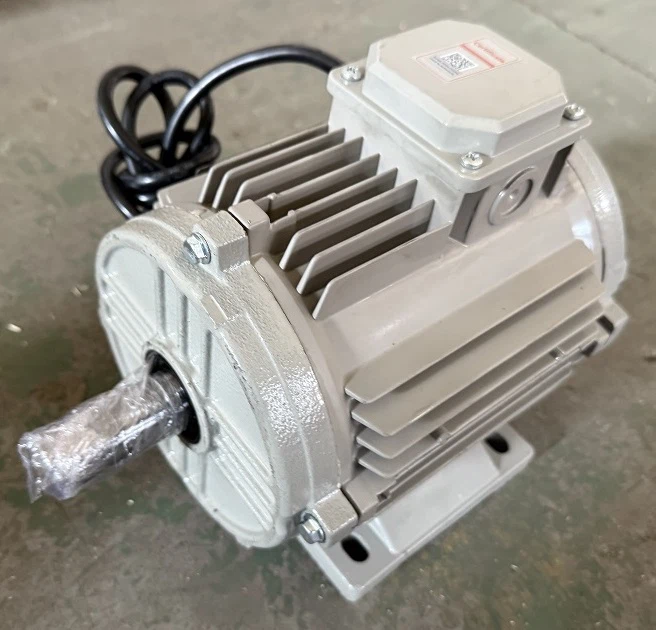
As a fan motor supplier, I offer a wide range of high - quality fan motors, including Fan Motor For Air Cooler, Electric Fan Motors, and Ac Fan Motor. Our motors are designed to be reliable and efficient, but proper maintenance is still essential.
If you're in the market for a new fan motor or have any questions about fan motor lubrication or maintenance, don't hesitate to reach out. Whether you're a DIY enthusiast looking to replace a motor in your home fan or a business owner in need of multiple motors for your ventilation system, we've got you covered.
In conclusion, over - lubricating a fan motor is definitely possible and can lead to a host of problems, including reduced efficiency, increased noise, and premature motor failure. By following the manufacturer's guidelines and using the right amount of lubricant, you can keep your fan motor running smoothly for years to come.
If you want to learn more about fan motors, their maintenance, or are interested in purchasing our products, feel free to contact us. We're always happy to help you find the right solution for your needs.
References

- General knowledge about fan motor technology and maintenance
- Experience in the fan motor supply industry