

How does the static pressure affect the operation of a fan motor?
Jul 25, 2025
Hey there! As a supplier of fan motors, I've seen firsthand how static pressure can make or break the operation of these crucial components. In this blog, I'm gonna dive into how static pressure affects fan motor operation and why it's super important for you to understand this relationship.
Let's start with the basics. Static pressure is the resistance that air encounters as it moves through a system, like a duct or a filter. It's kinda like the pushback you feel when you're trying to squeeze through a crowded hallway. The more resistance there is, the harder it is for the air to move, and that's where the fan motor comes in.
A fan motor's job is to create airflow by overcoming this static pressure. When the static pressure is low, the fan motor can easily push the air through the system, and it runs smoothly and efficiently. But when the static pressure is high, things get a little more complicated.

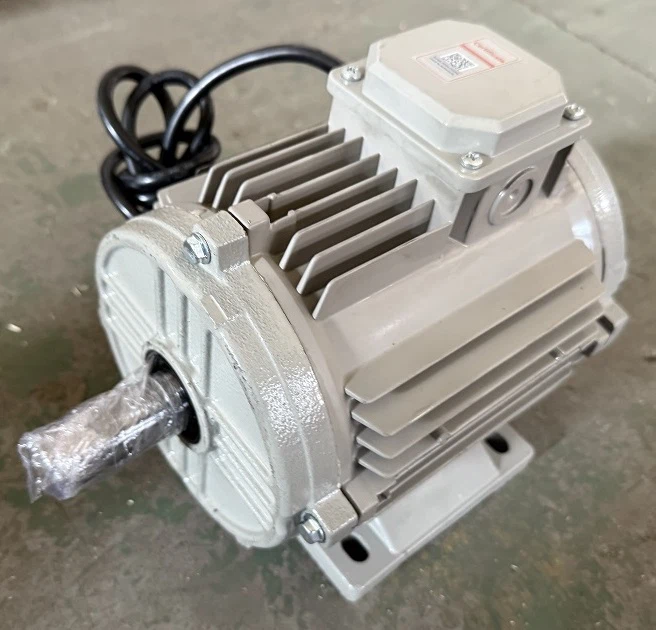
One of the most obvious effects of high static pressure on a fan motor is reduced airflow. Think of it like trying to blow up a balloon with a tiny hole in it. The harder you blow, the more air escapes, and it becomes really difficult to get the balloon to inflate. Similarly, when the static pressure is high, the fan motor has to work harder to push the air through the system, and as a result, the airflow decreases.
This reduced airflow can have a domino effect on the entire system. For example, in an HVAC system, less airflow means that the air isn't being circulated as effectively, which can lead to uneven heating or cooling in a space. In an industrial setting, it can affect the performance of equipment that relies on proper ventilation, like machinery or electronics.
Another consequence of high static pressure is increased energy consumption. When the fan motor has to work harder to overcome the resistance, it uses more electricity. This not only drives up your energy bills but also puts more strain on the motor itself. Over time, this extra stress can cause the motor to wear out faster, leading to more frequent breakdowns and costly repairs.
High static pressure can also cause the fan motor to overheat. Just like when you're running a long race, your body gets hot as you exert more energy. The same goes for a fan motor. When it's working hard to push air through a high - resistance system, it generates more heat. If this heat isn't dissipated properly, it can damage the motor's components, such as the windings and bearings, and ultimately lead to motor failure.
On the flip side, when the static pressure is too low, it might seem like a good thing at first. The fan motor doesn't have to work as hard, and the airflow might be higher. However, this can also cause problems. A fan motor is designed to operate within a certain range of static pressures. If the static pressure is too low, the motor might not be operating at its optimal efficiency. It could be spinning too fast, which can cause excessive noise and vibration, and also lead to premature wear and tear.
Now, let's talk about how you can deal with static pressure issues. As a supplier of Ac Fan Motor, Electric Fan Motors, and Fan Motor For Air Cooler, I've got some tips for you.
First of all, proper system design is key. When installing a fan motor, make sure that the ductwork is sized correctly and that there are no unnecessary restrictions, like sharp bends or clogged filters. A well - designed system will have a lower static pressure, allowing the fan motor to operate more efficiently.
Regular maintenance is also crucial. Check and clean your filters regularly to prevent them from getting clogged, which can increase static pressure. Inspect the ductwork for any leaks or damage that could be causing air to escape and creating additional resistance.
If you're experiencing problems with static pressure, it might be worth considering upgrading to a more powerful fan motor. A motor with a higher static pressure rating can handle more resistance and maintain better airflow. However, it's important to make sure that the new motor is compatible with your existing system.
In conclusion, static pressure plays a huge role in the operation of a fan motor. Whether it's too high or too low, it can have a significant impact on the performance, energy consumption, and lifespan of the motor. As a Fan Motor supplier, I'm here to help you find the right solution for your specific needs. If you're facing any issues with static pressure or need advice on choosing the right fan motor, don't hesitate to reach out. We can have a detailed discussion about your requirements and come up with a plan that ensures your system runs smoothly and efficiently.
If you're interested in purchasing high - quality fan motors or need more information about how they can work in your system, feel free to get in touch. We're always happy to assist with your procurement needs and have in - depth discussions about how our products can benefit your projects.
References
- "Fundamentals of HVAC Systems" by some HVAC experts
- "Industrial Ventilation Handbook" for industrial fan motor applications