

How to optimize the operation of a fan motor?
Jul 21, 2025
In the realm of industrial and household applications, fan motors play a pivotal role. As a seasoned Fan Motor supplier, I've witnessed firsthand the diverse needs and challenges our clients face when it comes to optimizing the operation of these crucial components. In this blog, I'll share some in - depth insights on how to optimize the operation of a fan motor, which can lead to improved performance, energy efficiency, and longevity.
Understanding the Basics of Fan Motors
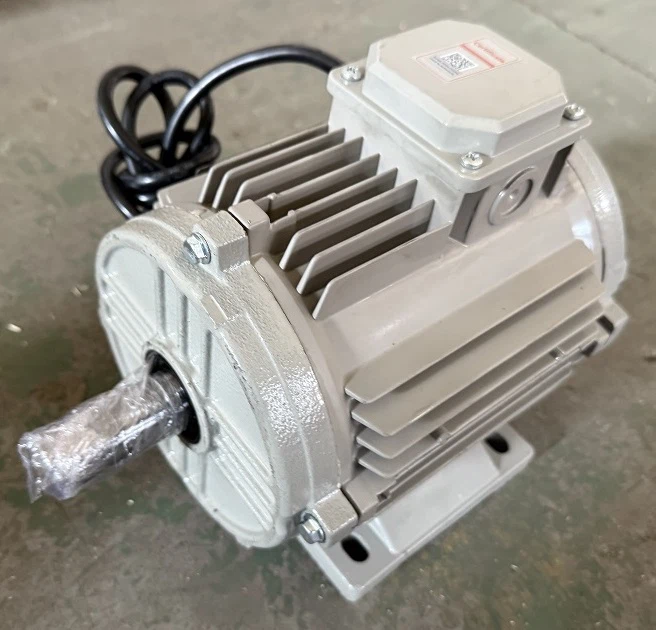
Before delving into optimization strategies, it's essential to understand the basic principles of fan motors. Fan motors are designed to convert electrical energy into mechanical energy, which in turn drives the fan blades to move air. There are different types of fan motors, such as Ac Fan Motor, DC motors, and shaded - pole motors, each with its own characteristics and applications.
AC motors are widely used due to their simplicity and reliability. They operate on alternating current and are available in various sizes and power ratings. DC motors, on the other hand, offer better speed control and efficiency, making them suitable for applications where precise airflow adjustment is required. Shaded - pole motors are often used in small, low - power fans because of their low cost and simplicity.
Selecting the Right Fan Motor
The first step in optimizing fan motor operation is selecting the right motor for the specific application. Factors to consider include the required airflow, static pressure, and the environment in which the fan will operate.
Airflow Requirements: Determine the amount of air that needs to be moved. This is typically measured in cubic feet per minute (CFM). A motor that is too small will not be able to provide the necessary airflow, while an oversized motor will consume more energy than necessary.
Static Pressure: Static pressure refers to the resistance the fan must overcome to move air through the system. Applications with high static pressure, such as duct systems, require motors with higher pressure capabilities.
Environmental Conditions: Consider the temperature, humidity, and presence of dust or corrosive substances in the operating environment. For example, in a humid environment, a motor with proper moisture - resistant coatings may be required. If you're looking for a fan motor for an air cooler, our Fan Motor For Air Cooler is a great option, designed to meet the specific needs of such applications.
Proper Installation
Proper installation is crucial for the optimal operation of a fan motor. Incorrect installation can lead to increased vibration, noise, and premature wear.
Mounting: Ensure that the motor is securely mounted. Loose mounting can cause excessive vibration, which not only affects the motor's performance but also shortens its lifespan. Use appropriate mounting hardware and follow the manufacturer's instructions.
Alignment: Proper alignment of the motor shaft with the fan blades is essential. Misalignment can result in uneven loading on the motor bearings, leading to increased friction and wear. Use alignment tools to ensure that the shaft is perfectly aligned.
Wiring: Connect the motor wiring correctly. Incorrect wiring can cause the motor to run in the wrong direction, overheat, or even fail. Double - check the wiring diagram provided by the manufacturer before making any connections.
Regular Maintenance
Regular maintenance is key to keeping a fan motor running smoothly. This includes cleaning, lubrication, and inspection.
Cleaning: Dust and debris can accumulate on the motor and fan blades, reducing airflow and causing the motor to work harder. Regularly clean the motor and blades using a soft brush or compressed air.
Lubrication: Many fan motors have bearings that require lubrication. Check the manufacturer's recommendations for the type and frequency of lubrication. Over - lubrication can be just as harmful as under - lubrication, so follow the guidelines carefully.
Inspection: Periodically inspect the motor for signs of wear, such as loose connections, frayed wiring, or damaged bearings. Early detection of problems can prevent costly breakdowns.

Energy Efficiency Optimization
Energy efficiency is an important consideration in today's world. Optimizing the energy efficiency of a fan motor can not only reduce operating costs but also contribute to environmental sustainability.
Variable Speed Drives: Installing a variable speed drive (VSD) allows the motor to adjust its speed according to the actual airflow requirements. This can significantly reduce energy consumption, especially in applications where the airflow demand varies.
High - Efficiency Motors: Consider using high - efficiency Electric Fan Motors. These motors are designed to convert a higher percentage of electrical energy into mechanical energy, resulting in lower energy consumption.
Proper Sizing: As mentioned earlier, using a properly sized motor is crucial for energy efficiency. An oversized motor will consume more energy than necessary, while an undersized motor will run at full capacity constantly, also leading to higher energy consumption.
Monitoring and Control
Implementing a monitoring and control system can help in optimizing the operation of a fan motor.
Temperature Monitoring: Monitoring the motor temperature can provide early warning signs of overheating. Overheating can be caused by various factors, such as excessive load, poor ventilation, or electrical problems. If the temperature exceeds the normal range, take immediate action to identify and fix the issue.
Speed Control: Using a control system to adjust the motor speed based on the actual demand can improve energy efficiency. For example, in a ventilation system, the motor speed can be reduced during periods of low occupancy.
Troubleshooting
Even with proper selection, installation, and maintenance, fan motors may encounter problems. Here are some common issues and their solutions:
Motor Not Starting: Check the power supply, wiring connections, and the motor's thermal overload protection. A blown fuse or a tripped circuit breaker may be the cause.
Excessive Noise: Excessive noise can be due to loose parts, misalignment, or worn bearings. Tighten any loose parts, realign the motor shaft, and replace worn bearings if necessary.
Overheating: Overheating can be caused by high ambient temperature, excessive load, or poor ventilation. Check the ventilation around the motor and reduce the load if possible.
Conclusion
Optimizing the operation of a fan motor involves a combination of proper selection, installation, maintenance, and monitoring. By following these guidelines, you can ensure that your fan motor operates efficiently, reliably, and with a long lifespan.
As a Fan Motor supplier, we are committed to providing high - quality products and expert advice to our customers. If you have any questions about fan motor selection, optimization, or maintenance, or if you're interested in purchasing our Fan Motor For Air Cooler, Electric Fan Motors, or Ac Fan Motor, please feel free to contact us. We look forward to discussing your specific needs and helping you find the best solutions for your applications.
References
- "Fan Engineering", Buffalo Forge Company
- "Motor Handbook", ABB
- "Energy - Efficient Electric Motor Systems", U.S. Department of Energy