

How to troubleshoot a portable water pump motor that won't start?
Aug 22, 2025
Hey there! As a supplier of Portable Water Pump Motor, I've seen my fair share of issues with these motors not starting. It can be a real headache, especially when you're relying on that pump for something important. But don't worry, I'm here to walk you through some steps to troubleshoot the problem.
Check the Power Source
The first thing you gotta do is make sure the pump is getting power. Sounds obvious, right? But you'd be surprised how many times it's just a simple power issue.
- Check the Outlet: Plug something else into the outlet to see if it's working. If not, check the circuit breaker or fuse box. Maybe a breaker has tripped or a fuse has blown. Flip the breaker back on or replace the fuse if needed.
- Inspect the Cord: Look for any signs of damage on the power cord. If it's frayed, cut, or otherwise damaged, it could be interrupting the power supply. You might need to replace the cord. And make sure the plug is fully inserted into the outlet. Sometimes it can get loose over time.
- Battery Check (if applicable): If your portable water pump motor is battery - powered, check the battery. Make sure it's charged. If it's an old battery, it might not be holding a charge properly. Try charging it for a few hours and see if that does the trick. If the battery is really old, it might be time for a replacement.
Examine the Switch
The switch is what allows you to turn the motor on and off. If it's not working, the motor won't start.
- Test the Switch: You can use a multimeter to test if the switch is functioning correctly. Set the multimeter to the continuity setting. When the switch is in the "on" position, there should be continuity (the multimeter should beep). If there's no continuity, the switch is probably faulty and needs to be replaced.
- Clean the Switch Contacts: Over time, dirt and debris can build up on the switch contacts, preventing a good electrical connection. You can try cleaning the contacts with a small amount of electrical contact cleaner and a cotton swab.
Look for Blockages
Blockages can prevent the motor from starting or cause it to stall.
- Check the Intake and Outlet: Make sure there are no obstructions in the intake or outlet of the pump. Debris like leaves, twigs, or dirt can get stuck and block the flow of water. Remove any blockages you find.
- Inspect the Impeller: The impeller is the part of the pump that moves the water. If it's jammed, the motor won't be able to turn it. You may need to take the pump apart (make sure to follow the manufacturer's instructions) to access the impeller. Check for any foreign objects that might be stuck in the impeller and remove them.
Check the Motor Windings
The motor windings are responsible for creating the magnetic field that makes the motor run. If they're damaged, the motor won't start.
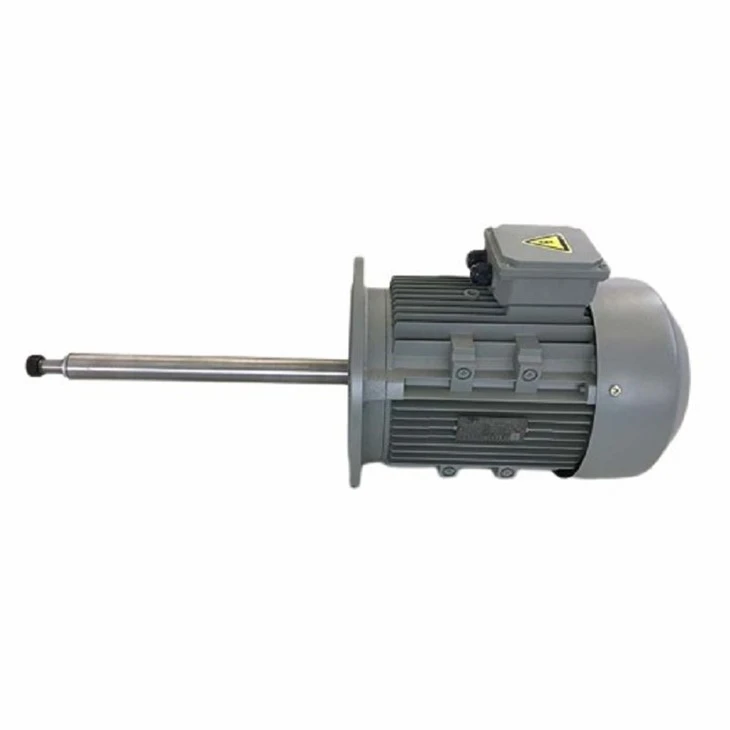

- Use a Multimeter: Set the multimeter to the resistance setting. Check the resistance of the motor windings. Compare the readings to the specifications in the pump's manual. If the resistance is too high or too low, it could indicate a problem with the windings. A short circuit or an open circuit in the windings can prevent the motor from starting. In most cases, if the windings are damaged, you'll probably need to replace the motor.
Lubrication and Maintenance
Lack of proper lubrication can cause the motor to seize up and not start.
- Lubricate Moving Parts: Check the pump's manual to see if there are any parts that need lubrication. Some pumps have bearings or other moving parts that require regular lubrication. Use the recommended lubricant and apply it as directed.
- General Maintenance: Regular maintenance can prevent a lot of problems. Make sure to clean the pump regularly, especially after use in dirty or muddy water. Check for any loose bolts or screws and tighten them if necessary.
Check for Overheating
If the motor has overheated, it might have a thermal overload protector that shuts it off to prevent damage.
- Let it Cool Down: If you suspect the motor has overheated, turn it off and let it cool down for a while. The thermal overload protector should reset once the motor cools to a safe temperature. Then try starting the motor again.
- Check the Cooling System: Some pumps have a cooling system, like a fan or a water - cooling mechanism. Make sure it's working properly. If the cooling system is blocked or malfunctioning, the motor can overheat more easily.
Consider the Environment
The environment in which the pump is operating can also affect its performance.
- Temperature: Extreme temperatures can cause problems. In very cold weather, the oil in the motor can thicken, making it harder for the motor to start. In very hot weather, the motor can overheat more quickly. Try to operate the pump in a temperature - controlled environment if possible.
- Humidity: High humidity can cause electrical components to corrode over time. If the pump is exposed to high humidity, make sure to dry it thoroughly after use and store it in a dry place.
When to Call in the Experts
If you've gone through all these steps and still can't get the motor to start, it might be time to call in a professional. They have the tools and expertise to diagnose and fix more complex problems. And if your pump is still under warranty, it's a good idea to contact the manufacturer or an authorized service center to avoid voiding the warranty.
As a supplier of Portable Water Pump Motor, we also offer Acid and Alkali Pump Chemical Pump Motor and Acid Pump Motor. If you're in the market for a new pump motor or need replacement parts, feel free to reach out for a discussion. We're here to help you find the right solution for your needs.
References
- Pump Manufacturer's Manuals
- General Electrical Troubleshooting Guides
So, there you have it! By following these steps, you should be able to troubleshoot a portable water pump motor that won't start. Good luck!