

What are the differences between single - phase and three - phase chemical pump motors?
Jan 16, 2026
Hey there! As a supplier of Chemical Pump Motors, I often get asked about the differences between single - phase and three - phase chemical pump motors. It's a pretty common question, and understanding these differences can help you make the right choice for your specific needs. So, let's dive right in!
Basic Concepts
First off, let's talk about what single - phase and three - phase motors are. A single - phase motor operates on a single alternating current (AC) power supply. It's like having one stream of power flowing in and out. These motors are usually used in smaller applications where the power demand isn't too high. For example, you might find single - phase motors in some Portable Water Pump Motor setups. They're relatively simple and cost - effective for low - power jobs.
On the other hand, three - phase motors use three alternating currents that are out of phase with each other. Think of it as three streams of power working together. This design allows three - phase motors to produce more power and operate more efficiently, especially in industrial and commercial applications that require high - power pumps. You'll often see these motors in large - scale Acid and Alkali Pump Chemical Pump Motor systems.
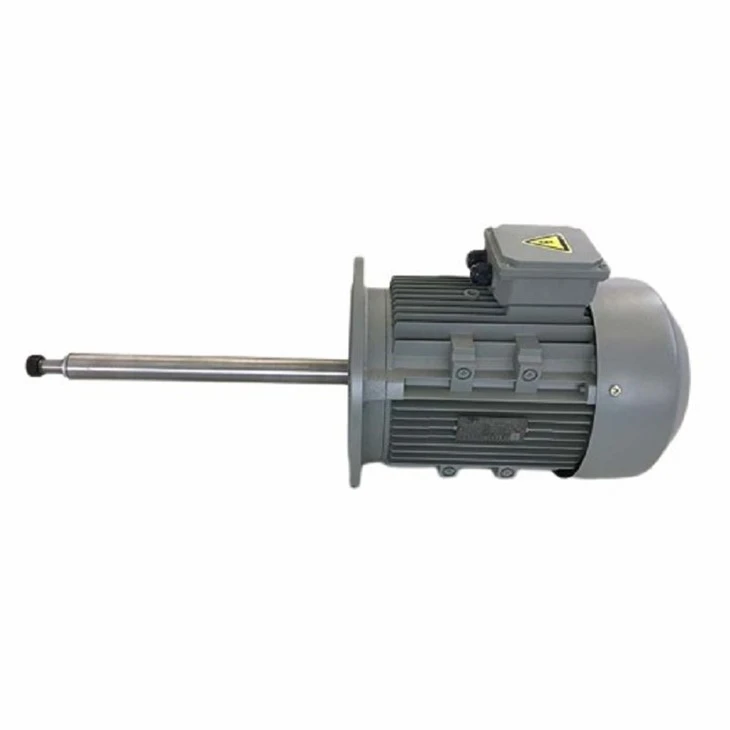

Power Output
One of the most significant differences between single - phase and three - phase motors is their power output. Single - phase motors generally have lower power ratings. They can typically range from a fraction of a horsepower (HP) up to around 10 HP. This makes them suitable for small - scale chemical pumping tasks, like in a small laboratory or a residential chemical treatment system.
Three - phase motors, however, can handle much higher power loads. They can go from a few HP all the way up to several hundred HP. This high - power capability makes them ideal for large industrial chemical processes, such as in a chemical manufacturing plant where large volumes of chemicals need to be pumped continuously.
Efficiency
When it comes to efficiency, three - phase motors have a clear edge over single - phase motors. The three - phase power supply provides a more constant and balanced flow of power to the motor. This means that three - phase motors can convert electrical energy into mechanical energy more effectively, resulting in less wasted energy and lower operating costs over time.
Single - phase motors, on the other hand, tend to be less efficient. They often have more fluctuations in power delivery, which can cause the motor to work harder and use more energy to achieve the same output as a three - phase motor. If you're running a pump continuously or for long periods, the efficiency of a three - phase motor can lead to significant savings on your electricity bill.
Starting Torque
Starting torque is another important factor to consider. It refers to the force that the motor can generate to start the pump from a standstill. Three - phase motors usually have a higher starting torque compared to single - phase motors. This is because the three - phase power supply creates a rotating magnetic field that helps the motor start more smoothly and quickly.
Single - phase motors often require additional components, like capacitors, to help them start. These capacitors can add to the cost and complexity of the motor. In applications where the pump needs to start frequently or against a high load, a three - phase motor is a better choice.
Cost
Cost is always a consideration when choosing a motor. In general, single - phase motors are less expensive to purchase initially. They have a simpler design and require less complex wiring, which can reduce the overall cost. This makes them an attractive option for budget - conscious customers or for small - scale applications where the lower power output is sufficient.
Three - phase motors, on the other hand, are usually more expensive to buy. Their higher power output and more advanced design come with a higher price tag. However, when you factor in their higher efficiency and lower operating costs over time, they can be a more cost - effective choice in the long run, especially for large - scale operations.
Maintenance and Durability
Maintenance requirements and durability also differ between the two types of motors. Single - phase motors are generally easier to maintain. They have fewer components, which means there are fewer things that can go wrong. However, they may not be as durable as three - phase motors, especially in high - load or continuous - operation applications.
Three - phase motors are built to handle more demanding conditions. They are more robust and can often withstand long - term, heavy - duty use. While they may require more complex maintenance procedures, the fact that they are less likely to break down can result in less downtime and lower overall maintenance costs in the long term.
Application Suitability
As I mentioned earlier, the choice between single - phase and three - phase motors depends largely on the application. If you're looking for a motor for a small - scale chemical pump, such as in a home aquarium filtration system or a small chemical storage facility, a single - phase motor is probably sufficient. You can find great options in our Portable Water Pump Motor range.
For larger industrial applications, like in a chemical refinery or a large - scale water treatment plant, a three - phase motor is the way to go. Our Acid Pump Motor series, for example, is designed to handle the high - power requirements and harsh chemical environments of these large - scale operations.
Making the Right Choice
So, how do you make the right choice between a single - phase and a three - phase chemical pump motor? First, you need to assess your power requirements. Consider the size of the pump, the flow rate you need, and the pressure the pump will need to generate. If you have a small - scale application with low power needs, a single - phase motor may be the best option. But if you're dealing with a large - scale operation that requires high - power and continuous pumping, a three - phase motor is likely the better choice.
You also need to think about your budget, both for the initial purchase and for long - term operating costs. Don't forget to consider the maintenance requirements and the durability of the motor in your specific application.
If you're still not sure which type of motor is right for you, feel free to reach out to me. I'm here to help you make an informed decision based on your unique needs. Whether you need a small single - phase motor for a simple setup or a large three - phase motor for an industrial application, we have a wide range of Chemical Pump Motors to choose from.
Get in Touch
If you're interested in purchasing a chemical pump motor or have any questions about the differences between single - phase and three - phase motors, don't hesitate to contact me. I'm happy to discuss your requirements and find the perfect motor for your needs. Let's work together to get your chemical pumping system up and running efficiently!
References
- "Electric Motors and Drives: Fundamentals, Types and Applications" by Austin Hughes and Bill Drury
- Various industry - specific technical manuals and guides on chemical pump motors.