

What is the air flow rate produced by an Ac Cooler Motor?
Sep 15, 2025
As a supplier of Ac Cooler Motors, I often get asked about the air flow rate produced by these motors. Understanding the air flow rate is crucial for customers as it directly impacts the performance and efficiency of air coolers. In this blog post, I will delve into the concept of air flow rate, the factors that influence it in Ac Cooler Motors, and how you can choose the right motor based on your air flow requirements.
What is Air Flow Rate?
Air flow rate, also known as volumetric flow rate, refers to the volume of air that passes through a given area per unit of time. It is typically measured in cubic feet per minute (CFM) or cubic meters per hour (m³/h). In the context of an Ac Cooler Motor, the air flow rate indicates how much air the motor can move through the cooler's fan blades and into the surrounding environment.
A higher air flow rate means that more air is being circulated, which can lead to better cooling and ventilation. However, it's important to note that a high air flow rate doesn't necessarily guarantee better cooling performance. Other factors, such as the efficiency of the cooler's heat exchange system and the temperature difference between the incoming and outgoing air, also play a significant role.
Factors Affecting the Air Flow Rate of Ac Cooler Motors
Several factors can influence the air flow rate produced by an Ac Cooler Motor. Understanding these factors can help you make an informed decision when selecting a motor for your application.
Motor Power and Speed
The power and speed of the motor are two of the most important factors affecting the air flow rate. Generally, a more powerful motor can drive the fan blades at a higher speed, resulting in a greater air flow rate. However, it's important to balance the motor power with the size and design of the fan blades to ensure optimal performance.
For example, a large fan blade may require more power to rotate at a high speed, but it can also move a larger volume of air. On the other hand, a small fan blade may require less power, but it may not be able to generate as much air flow. Therefore, it's important to choose a motor with the appropriate power and speed for the size and design of the fan blades.
Fan Blade Design
The design of the fan blades also plays a crucial role in determining the air flow rate. Fan blades come in various shapes and sizes, each with its own unique characteristics. Some fan blades are designed to produce a high air flow rate, while others are designed to be more energy-efficient.
For example, a blade with a curved shape can generate more lift and move more air than a flat blade. Additionally, the number of blades on the fan can also affect the air flow rate. Generally, a fan with more blades can produce a more consistent and uniform air flow, but it may also require more power to operate.
Air Resistance
Air resistance, also known as drag, is another factor that can affect the air flow rate of an Ac Cooler Motor. Air resistance occurs when the air flowing through the cooler encounters obstacles, such as the fan blades, the cooler's housing, and the surrounding environment.
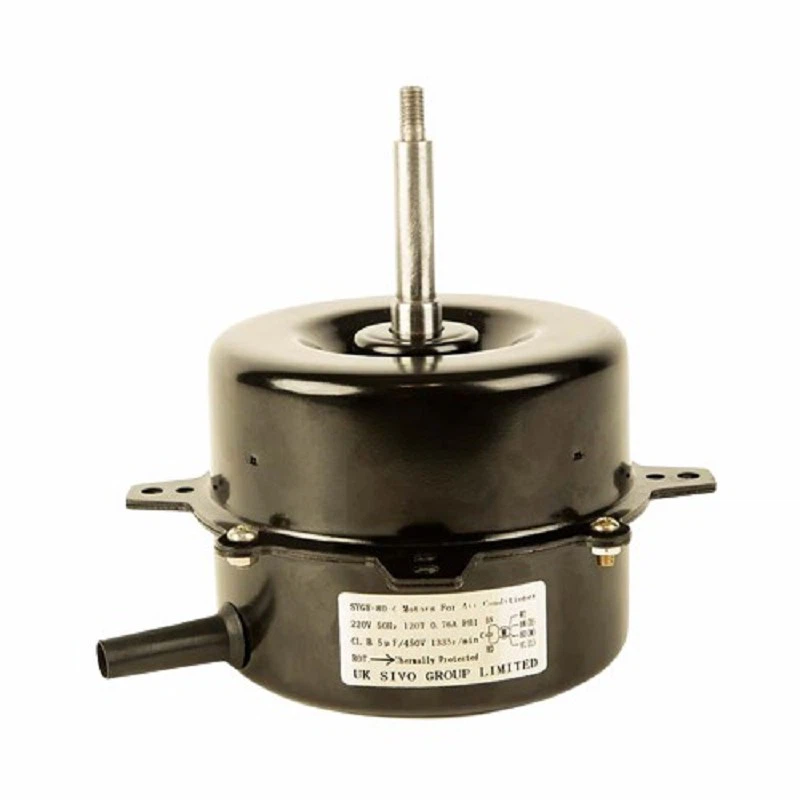
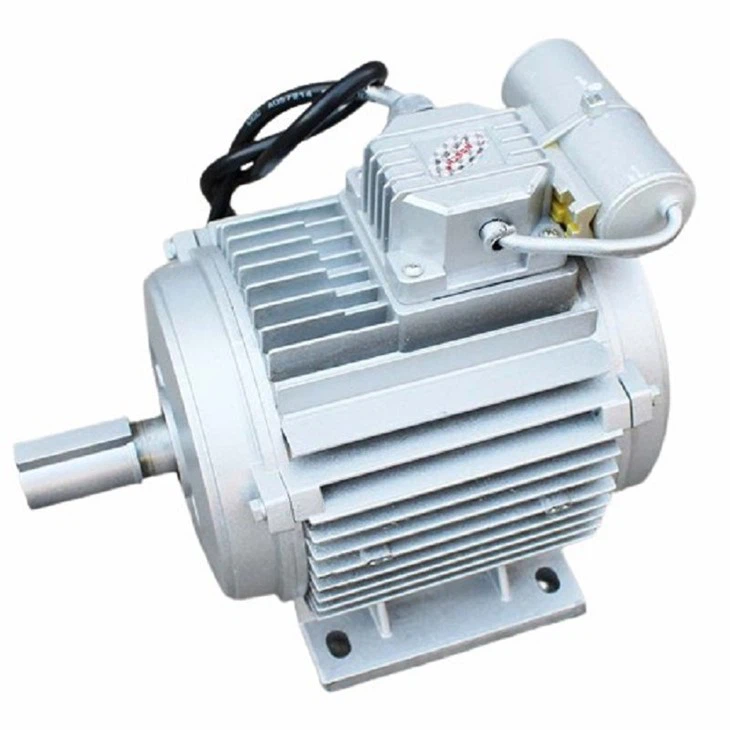
The greater the air resistance, the more difficult it is for the motor to move the air, resulting in a lower air flow rate. To minimize air resistance, it's important to choose a cooler with a streamlined design and to ensure that the fan blades are properly aligned and balanced.
Temperature and Humidity
The temperature and humidity of the surrounding environment can also affect the air flow rate of an Ac Cooler Motor. In general, hot and humid air is more difficult to move than cool and dry air, as it is denser and more viscous.
Therefore, in hot and humid environments, the motor may need to work harder to move the same volume of air, resulting in a lower air flow rate. To compensate for this, it may be necessary to choose a motor with a higher power rating or to use a cooler with a more efficient heat exchange system.
How to Choose the Right Ac Cooler Motor Based on Air Flow Requirements
When choosing an Ac Cooler Motor, it's important to consider your specific air flow requirements. Here are some steps you can take to ensure that you choose the right motor for your application:
Determine Your Air Flow Requirements
The first step is to determine your air flow requirements. This will depend on several factors, such as the size of the room or space you want to cool, the number of people or equipment in the room, and the level of ventilation required.
To calculate your air flow requirements, you can use the following formula:
Air Flow Rate (CFM) = Room Volume (cubic feet) x Air Changes per Hour (ACH) / 60
For example, if you have a room that is 10 feet by 10 feet by 8 feet (800 cubic feet) and you want to achieve 4 air changes per hour, your air flow requirement would be:
Air Flow Rate (CFM) = 800 x 4 / 60 = 53.3 CFM
Choose a Motor with the Appropriate Power and Speed
Once you have determined your air flow requirements, you can choose a motor with the appropriate power and speed. As mentioned earlier, a more powerful motor can drive the fan blades at a higher speed, resulting in a greater air flow rate.
However, it's important to balance the motor power with the size and design of the fan blades to ensure optimal performance. You can consult the manufacturer's specifications or speak with a professional to determine the appropriate motor power and speed for your application.
Consider the Fan Blade Design
In addition to the motor power and speed, you should also consider the fan blade design. As mentioned earlier, fan blades come in various shapes and sizes, each with its own unique characteristics.
Some fan blades are designed to produce a high air flow rate, while others are designed to be more energy-efficient. You can choose a fan blade design that is suitable for your specific air flow requirements and energy efficiency goals.
Evaluate the Air Resistance
Finally, you should evaluate the air resistance of the cooler and the surrounding environment. As mentioned earlier, air resistance can affect the air flow rate of the motor.
To minimize air resistance, you can choose a cooler with a streamlined design and ensure that the fan blades are properly aligned and balanced. You can also consider the placement of the cooler and the ventilation system to ensure that there are no obstacles blocking the air flow.
Conclusion
In conclusion, the air flow rate produced by an Ac Cooler Motor is an important factor to consider when choosing a motor for your application. Understanding the factors that affect the air flow rate and how to choose the right motor based on your air flow requirements can help you ensure that you get the best performance and efficiency from your cooler.
As a supplier of Ac Cooler Motors, we offer a wide range of Single Phase Cooler Motor, Motor for Negative Pressure Fan, and Ac Cooler Motor products to meet your specific needs. If you have any questions or need assistance in choosing the right motor for your application, please don't hesitate to contact us. We look forward to working with you to provide the best cooling solutions for your business.
References
- "Air Flow Rate Calculation." Engineering ToolBox. Accessed [Date].
- "Fan Blade Design and Performance." HVAC School. Accessed [Date].
- "Factors Affecting the Performance of Air Coolers." ScienceDirect. Accessed [Date].