

What is the maximum ambient temperature for an IE2 Aluminum Motor to operate?
Aug 26, 2025
As a supplier of IE2 Aluminum Motors, I often encounter inquiries from customers regarding the maximum ambient temperature at which these motors can operate. Understanding this crucial parameter is essential for ensuring the efficient and reliable performance of the motors in various industrial applications. In this blog post, I will delve into the factors influencing the maximum ambient temperature for IE2 Aluminum Motors and provide valuable insights based on industry standards and practical experience.
Understanding IE2 Aluminum Motors
Before discussing the maximum ambient temperature, let's briefly introduce IE2 Aluminum Motors. These motors are designed to meet the IE2 efficiency class, which is a standard established by the International Electrotechnical Commission (IEC) to promote energy efficiency in electric motors. The use of aluminum in the construction of these motors offers several advantages, including lightweight, good heat dissipation, and corrosion resistance. These features make IE2 Aluminum Motors suitable for a wide range of applications, such as ventilation systems, pumps, and conveyor belts.
Factors Affecting the Maximum Ambient Temperature
The maximum ambient temperature at which an IE2 Aluminum Motor can operate is influenced by several factors, including the motor's design, insulation class, and cooling method. Let's take a closer look at each of these factors:
Motor Design
The design of the motor plays a crucial role in determining its ability to withstand high ambient temperatures. Motors with a compact and efficient design tend to generate less heat during operation, which allows them to operate in higher ambient temperatures. Additionally, the use of high-quality materials and advanced manufacturing techniques can improve the motor's thermal performance and reliability.
Insulation Class
The insulation class of the motor is another important factor that affects its maximum ambient temperature. The insulation class indicates the maximum temperature at which the motor's insulation can operate without significant degradation. IE2 Aluminum Motors are typically available in insulation classes F and H, which can withstand maximum temperatures of 155°C and 180°C, respectively. The higher the insulation class, the higher the maximum ambient temperature the motor can tolerate.
Cooling Method
The cooling method used in the motor also has a significant impact on its maximum ambient temperature. Motors can be cooled by natural convection, forced air, or liquid cooling. Natural convection cooling is the simplest and most cost-effective method, but it is less efficient than forced air or liquid cooling. Forced air cooling uses a fan to circulate air around the motor, which helps to dissipate heat more effectively. Liquid cooling is the most efficient cooling method, but it is also the most expensive and complex.
Industry Standards and Recommendations
The International Electrotechnical Commission (IEC) and the National Electrical Manufacturers Association (NEMA) have established standards and recommendations for the maximum ambient temperature at which electric motors can operate. According to the IEC 60034-1 standard, the maximum ambient temperature for continuous operation of electric motors is 40°C. However, this standard also allows for a higher maximum ambient temperature of up to 60°C if the motor is derated appropriately.

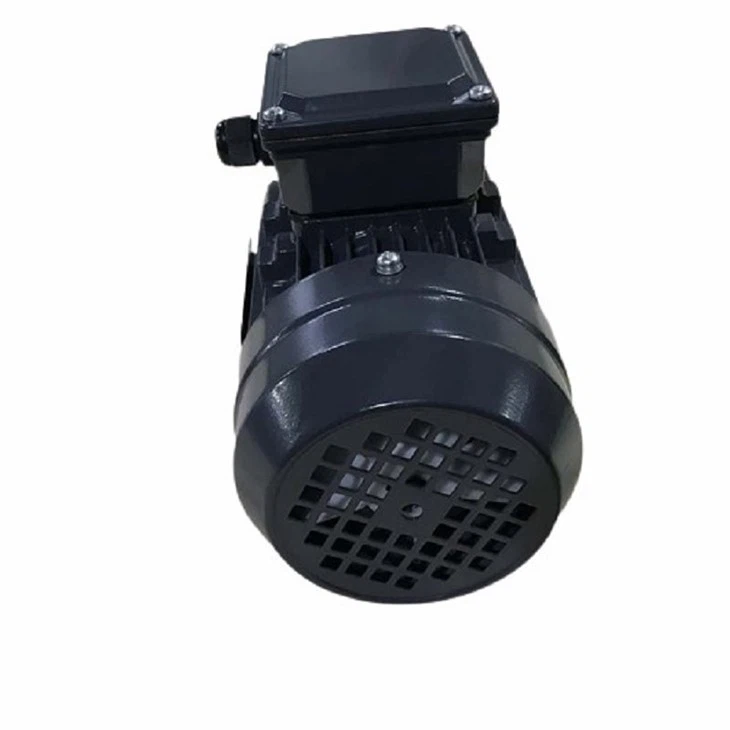
The NEMA MG 1 standard provides similar guidelines for the maximum ambient temperature of electric motors. According to this standard, the maximum ambient temperature for continuous operation of open motors is 40°C, while the maximum ambient temperature for totally enclosed motors is 45°C. Similar to the IEC standard, the NEMA standard also allows for a higher maximum ambient temperature if the motor is derated.
Practical Considerations
In addition to the industry standards and recommendations, there are several practical considerations that should be taken into account when determining the maximum ambient temperature for an IE2 Aluminum Motor. These considerations include the following:
Application Requirements
The specific requirements of the application in which the motor will be used should be carefully considered. For example, if the motor is used in a high-temperature environment, such as a furnace or a kiln, it may be necessary to select a motor with a higher insulation class and a more efficient cooling method.
Altitude
The altitude at which the motor will be operated can also affect its maximum ambient temperature. As the altitude increases, the air density decreases, which reduces the effectiveness of air cooling. Therefore, motors operating at high altitudes may need to be derated to compensate for the reduced cooling efficiency.
Maintenance
Proper maintenance is essential for ensuring the reliable operation of IE2 Aluminum Motors, especially in high-temperature environments. Regular inspections, cleaning, and lubrication can help to prevent overheating and extend the motor's lifespan.
Conclusion
In conclusion, the maximum ambient temperature at which an IE2 Aluminum Motor can operate depends on several factors, including the motor's design, insulation class, cooling method, and application requirements. By carefully considering these factors and following the industry standards and recommendations, you can select the right motor for your application and ensure its efficient and reliable performance.
If you are interested in purchasing IE2 Aluminum Motors or have any questions about their operation in high-temperature environments, please feel free to [contact us for a purchase negotiation](javascript:void(0);). Our team of experts will be happy to assist you in selecting the right motor for your needs and providing you with the technical support you require.
References
- International Electrotechnical Commission (IEC). IEC 60034-1: Rotating electrical machines - Part 1: Rating and performance.
- National Electrical Manufacturers Association (NEMA). NEMA MG 1: Motors and Generators.