

What is the rotor material of the Ie4 Motor?
Aug 28, 2025
As a supplier of IE4 motors, I often get asked about the rotor materials used in these high - efficiency motors. In this blog, I'll delve into the details of what makes up the rotor in an IE4 motor, its significance, and how different materials impact motor performance.
Understanding IE4 Motors
Before we discuss the rotor materials, it's essential to understand what IE4 motors are. IE4 motors belong to the highest energy - efficiency class defined by the International Electrotechnical Commission (IEC). These motors are designed to minimize energy losses, reduce operating costs, and have a lower environmental impact compared to their lower - efficiency counterparts. The high - efficiency nature of IE4 motors is achieved through a combination of advanced design features and the use of high - quality materials, including those in the rotor.
The Role of the Rotor in an IE4 Motor
The rotor is a crucial component of an electric motor. In an induction motor, which is a common type of IE4 motor, the rotor rotates due to the interaction between the magnetic field produced by the stator and the currents induced in the rotor. The efficiency and performance of the motor are highly dependent on the properties of the rotor material. A good rotor material should have low electrical resistance to minimize power losses, high mechanical strength to withstand the rotational forces, and good thermal conductivity to dissipate heat effectively.
Common Rotor Materials in IE4 Motors
Copper
Copper is one of the most widely used materials for rotors in IE4 motors. Copper has excellent electrical conductivity, which means that it can carry electrical currents with minimal resistance. When the stator's magnetic field induces currents in the copper rotor, these currents can flow easily, resulting in less energy being wasted as heat. This low electrical resistance contributes significantly to the high efficiency of IE4 motors.
In addition to its electrical properties, copper also has good mechanical strength and ductility. It can be easily formed into the required shape for the rotor, such as the bars in a squirrel - cage rotor. The high thermal conductivity of copper helps in dissipating the heat generated during motor operation, preventing overheating and ensuring the long - term reliability of the motor.
However, copper is relatively expensive compared to some other materials. The cost of copper can impact the overall price of the IE4 motor. Despite this, many manufacturers still choose copper for high - performance and high - efficiency applications where the benefits of its electrical and thermal properties outweigh the cost. For example, in industrial applications where motors run continuously for long periods, the energy savings achieved by using a copper - rotor IE4 motor can offset the initial higher cost over time.

Aluminum
Aluminum is another common rotor material in IE4 motors. Aluminum is less expensive than copper, which makes it an attractive option for cost - sensitive applications. It also has relatively good electrical conductivity, although not as high as copper. In modern IE4 motors, advanced manufacturing techniques are used to optimize the design of the aluminum rotor to compensate for its lower conductivity.
Aluminum is lightweight, which can be an advantage in some applications where reducing the motor's weight is important. For example, in portable equipment or applications where the motor needs to be mounted on moving parts, a lighter aluminum - rotor motor can be more convenient. However, aluminum has lower mechanical strength compared to copper, so the rotor design needs to be carefully engineered to ensure that it can withstand the mechanical stresses during operation.
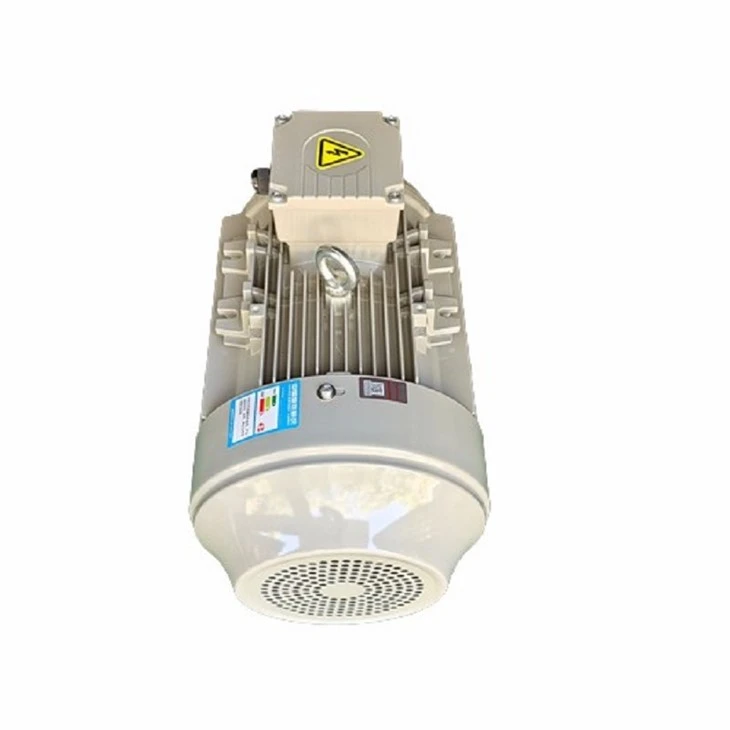
We offer a Three Phase Aluminum Motor IE4 that utilizes aluminum rotors. These motors are designed to provide a good balance between cost and performance, making them suitable for a wide range of industrial and commercial applications.
Cast Iron
Cast iron is also used in some IE4 motors, especially in larger - sized motors. Cast iron has high mechanical strength, which makes it suitable for withstanding the high - torque and high - stress conditions in heavy - duty applications. It can also provide good structural stability to the motor.
However, cast iron has relatively poor electrical conductivity compared to copper and aluminum. To improve the electrical performance of a cast - iron rotor, special designs and manufacturing processes are often employed. For example, the rotor may be designed with a specific shape or have additional conductive elements incorporated into it. Our Three Phase Cast Iron Motor IE4 is engineered to take advantage of the mechanical strength of cast iron while optimizing its electrical performance for high - efficiency operation.
Impact of Rotor Materials on Motor Performance
Efficiency
As mentioned earlier, the electrical conductivity of the rotor material has a direct impact on the motor's efficiency. Motors with copper rotors generally have higher efficiencies because of copper's low electrical resistance. This means that less energy is wasted as heat during motor operation, resulting in lower energy consumption and cost savings over the motor's lifetime.
Aluminum - rotor motors can also achieve high efficiencies, especially when they are designed with advanced techniques to reduce the impact of their lower conductivity. Cast - iron rotors, while having lower electrical conductivity, can still be used in high - efficiency motors through careful design and optimization.
Power Density
Power density is an important parameter in motor design, which refers to the amount of power that a motor can deliver per unit volume. Copper rotors can contribute to higher power densities because of their ability to carry high currents without significant losses. This allows motors with copper rotors to be more compact while delivering the same amount of power as larger motors with other rotor materials.
Aluminum rotors, due to their lightweight nature, can also contribute to achieving relatively high power densities, especially in applications where weight is a critical factor. Cast - iron rotors, on the other hand, may have lower power densities because of their lower electrical conductivity and higher mass, but they are often used in applications where high mechanical strength is more important than power density.
Reliability
The reliability of an IE4 motor is closely related to the properties of the rotor material. Copper and aluminum have good thermal conductivity, which helps in dissipating heat and preventing overheating. Overheating can cause damage to the motor's insulation and other components, reducing the motor's lifespan. Cast iron's high mechanical strength makes it more resistant to mechanical damage and wear, which can contribute to the long - term reliability of the motor in heavy - duty applications.
Choosing the Right Rotor Material
When choosing the rotor material for an IE4 motor, several factors need to be considered. The application requirements, such as the operating environment, load characteristics, and power requirements, play a crucial role. For applications where high efficiency and high power density are the top priorities, copper rotors may be the best choice. If cost is a major concern and the application can tolerate slightly lower efficiency, aluminum rotors can be a suitable option. Heavy - duty applications that require high mechanical strength may benefit from cast - iron rotors.
We offer a wide range of IE4 Induction Motor with different rotor materials to meet the diverse needs of our customers. Whether you are looking for a high - efficiency motor for a continuous - operation industrial process or a cost - effective motor for a commercial application, we have the right solution for you.
Contact Us for Procurement
If you are interested in purchasing IE4 motors and would like to discuss the details of rotor materials and their suitability for your specific application, we encourage you to contact us. Our team of experts is ready to provide you with in - depth technical information and help you make the best choice for your motor needs. We can also offer competitive pricing and excellent after - sales service to ensure your satisfaction.
References
- International Electrotechnical Commission (IEC) standards on motor efficiency.
- Technical literature from motor manufacturers on rotor materials and motor design.