

What is the speed regulation range of a portable water pump motor?
Jun 19, 2025
As a supplier of Portable Water Pump Motors, I often get asked about the speed regulation range of these motors. It's a crucial aspect that affects the performance and versatility of the water pumps. In this blog, I'll delve into what the speed regulation range is, why it matters, and how it impacts the use of portable water pumps.
Understanding the Basics of Speed Regulation Range
The speed regulation range of a portable water pump motor refers to the minimum and maximum speeds at which the motor can operate while maintaining stable performance. This range is typically measured in revolutions per minute (RPM). For instance, a motor might have a speed regulation range from 1000 RPM to 3000 RPM. This means it can run as slowly as 1000 RPM and as fast as 3000 RPM.
The ability to regulate the speed of a motor is essential because different applications require different flow rates and pressures. For example, when you're using a water pump to fill a small bucket, you might not need a high flow rate, so a lower motor speed would be sufficient. On the other hand, if you're draining a large pool, you'll need a higher flow rate, which requires the motor to run at a higher speed.
Factors Affecting the Speed Regulation Range
Several factors can influence the speed regulation range of a portable water pump motor.
Motor Design: The internal design of the motor plays a significant role. Motors with advanced designs often have a wider speed regulation range. For example, some motors use variable frequency drives (VFDs) that can adjust the motor's speed by changing the frequency of the electrical power supplied to it. These motors can typically achieve a broader range of speeds compared to traditional single - speed motors.
Power Supply: The type and stability of the power supply also matter. A stable power source, such as a high - quality battery or a reliable electrical outlet, can support a wider speed regulation range. Unstable power can cause the motor to operate erratically or limit its speed range. For instance, if the voltage drops significantly, the motor might not be able to reach its maximum speed.
Load Requirements: The load on the water pump, which includes the resistance of the water being pumped and the height to which the water needs to be lifted, affects the speed regulation range. A heavier load requires more power from the motor. When the load is too high, the motor might not be able to run at its maximum speed. Conversely, a very light load might not allow the motor to run at its minimum speed efficiently.
Benefits of a Wide Speed Regulation Range
A wide speed regulation range offers several advantages for portable water pump users.
Energy Efficiency: By being able to adjust the motor speed according to the actual demand, users can save energy. For example, when the water flow requirement is low, running the motor at a lower speed consumes less power. This not only reduces energy costs but also extends the battery life if the pump is battery - powered.
Versatility: A pump with a wide speed regulation range can be used for a variety of applications. Whether you're watering your garden, draining a flooded basement, or filling a water tank, you can adjust the motor speed to meet the specific requirements of each task.
Reduced Wear and Tear: Running the motor at the appropriate speed for the task can reduce wear and tear on the motor and other pump components. When the motor is not over - stressed by running at a high speed when it's not necessary, it can have a longer lifespan.
Typical Speed Regulation Ranges in Portable Water Pump Motors
The speed regulation range can vary depending on the type and size of the portable water pump motor.
Small - Capacity Pumps: Small portable water pumps, such as those used for household tasks like watering plants, often have a speed regulation range from around 800 RPM to 2000 RPM. These pumps are designed for light - duty applications and don't require extremely high speeds.
Medium - Capacity Pumps: Medium - sized portable water pumps, which might be used for tasks like draining small ponds or swimming pools, typically have a speed regulation range from 1200 RPM to 3000 RPM. These pumps need to be able to handle a greater volume of water, so they require a wider speed range.
Large - Capacity Pumps: Large portable water pumps used for industrial or heavy - duty applications, such as flood control or large - scale irrigation, can have a speed regulation range from 1500 RPM to 3500 RPM or even wider. These pumps need to generate high flow rates and pressures, so they require a broader speed range to meet the diverse demands of different industrial applications.
Our Portable Water Pump Motors
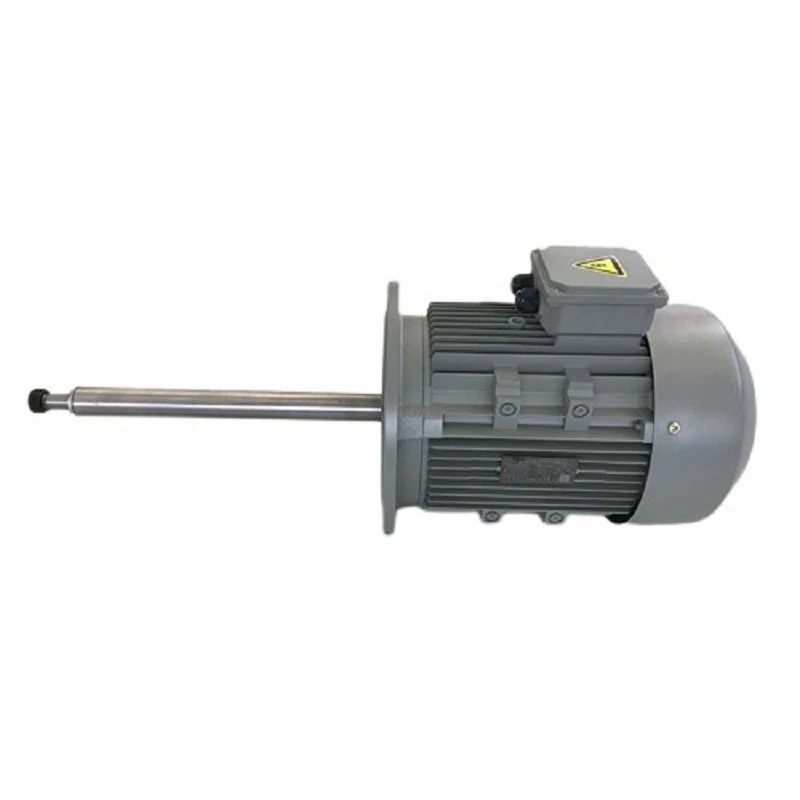
At our company, we offer a range of Portable Water Pump Motors with excellent speed regulation capabilities. Our motors are designed to provide a wide speed regulation range to meet the needs of various applications.
We also offer Acid and Alkali Pump Chemical Pump Motors and Acid Pump Motors for specialized chemical pumping applications. These motors are built to withstand the harsh conditions associated with handling corrosive chemicals while maintaining a reliable speed regulation range.

Contact Us for Purchase and Consultation
If you're in the market for a portable water pump motor or have any questions about speed regulation ranges, we're here to help. Our team of experts can provide you with detailed information about our products and assist you in choosing the right motor for your specific needs. Whether you're a homeowner looking for a simple garden pump or an industrial user in need of a heavy - duty pump, we have the solutions for you. Reach out to us to start the procurement process and discuss your requirements.
References
- "Motor Handbook" by Arnold Tustin
- "Pump Engineering" by Igor J. Karassik