

What materials are used in the construction of a chemical pump motor?
Oct 31, 2025
Hey there! As a supplier of chemical pump motors, I often get asked about the materials used in their construction. It's a crucial topic because the right materials can make all the difference in the performance, durability, and safety of these motors. So, let's dive right in and explore what goes into making a top - notch chemical pump motor.
Stator and Rotor Materials
The stator and rotor are the heart of an electric motor. They work together to create the magnetic fields that drive the motor's rotation.
For the stator, electrical steel is the go - to material. Electrical steel, also known as silicon steel, has low core losses. Core losses are the energy wasted in the form of heat when the magnetic field in the stator changes. This is super important because in a chemical pump motor, you don't want to waste energy as heat, especially when the motor might be running continuously. The silicon content in the steel reduces the eddy current losses, which are a major source of energy waste. It's usually laminated, meaning it's made up of thin sheets stacked together. The lamination helps to further reduce these eddy currents.
Now, the rotor. In many chemical pump motors, we use either copper or aluminum for the rotor bars. Copper has excellent electrical conductivity. This means that it can carry electrical current more efficiently, resulting in better motor performance. It also has good thermal conductivity, which helps in dissipating heat. However, copper is more expensive than aluminum. Aluminum, on the other hand, is lighter and cheaper. It's a great alternative when cost is a major factor. But it doesn't have the same level of electrical conductivity as copper, so the motor might not be as efficient.
Housing Materials
The housing of a chemical pump motor serves multiple purposes. It protects the internal components from the environment, provides mechanical support, and helps in heat dissipation.
One of the most common materials for the housing is cast iron. Cast iron is strong and has good heat - dissipating properties. It can withstand high pressures and mechanical stresses, which is important in a chemical pumping environment where the motor might be subject to vibrations and shocks. It's also relatively corrosion - resistant, but in more aggressive chemical environments, additional coatings might be required.
Another option is stainless steel. Stainless steel is highly corrosion - resistant, making it ideal for use in chemical plants where the motor might be exposed to corrosive chemicals. It's also very durable and has a long lifespan. However, it's more expensive than cast iron.
For some applications, especially where weight is a concern, we use aluminum alloy for the housing. Aluminum alloy is lightweight, which can make the motor easier to install and handle. It also has good thermal conductivity, helping to keep the motor cool. But it's not as strong as cast iron or stainless steel, so it might not be suitable for high - pressure or high - stress applications.
Insulation Materials
Insulation is crucial in a chemical pump motor. It prevents electrical current from leaking out of the windings and protects the motor from short - circuits.
One of the widely used insulation materials is mica. Mica has excellent electrical insulation properties and can withstand high temperatures. It's often used in the form of mica paper or mica tape, which is wrapped around the motor windings.
Epoxy resin is another popular choice. Epoxy resin can be used to impregnate the motor windings. It provides a hard, protective coating that not only insulates the windings but also helps to hold them in place. It's resistant to moisture, chemicals, and mechanical stresses.
Fiberglass is also used in insulation. Fiberglass has good thermal and electrical insulation properties. It can be used as a backing material for mica or in combination with epoxy resin to create a more robust insulation system.
Bearings
Bearings are essential for smooth rotation of the motor shaft. They reduce friction and support the weight of the shaft and the load.

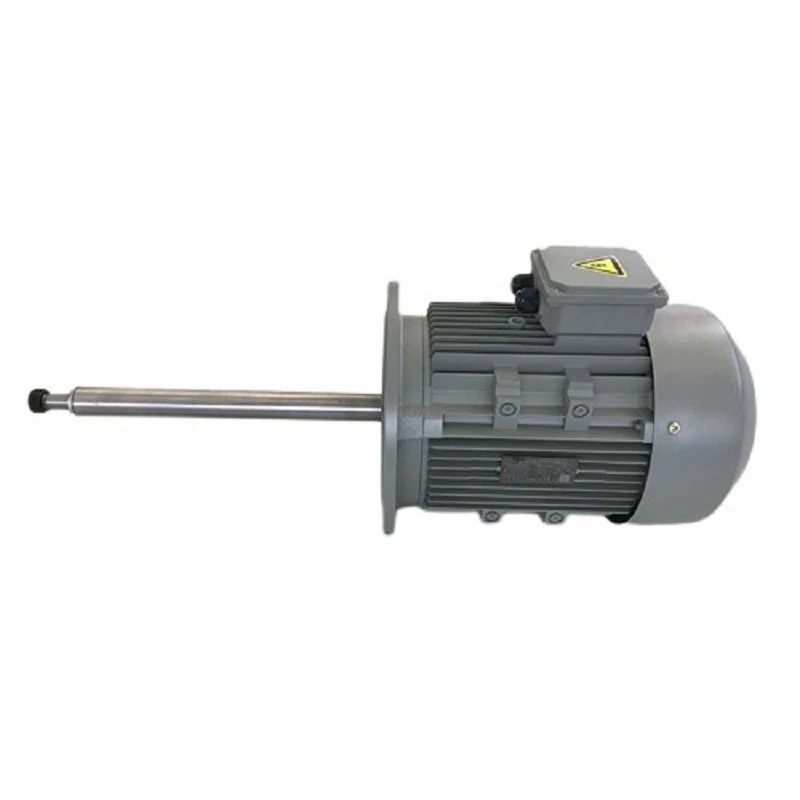
For chemical pump motors, we often use ball bearings or roller bearings. These bearings are typically made of high - quality steel. The steel is hardened to increase its wear resistance. In some cases, where the motor is exposed to corrosive chemicals, we use bearings made of stainless steel or ceramic materials. Stainless steel bearings offer good corrosion resistance, while ceramic bearings are not only corrosion - resistant but also have low friction and can operate at high speeds.
Sealing Materials
Seals are used to prevent the ingress of chemicals, dust, and moisture into the motor. They are crucial for maintaining the integrity of the motor and preventing damage to the internal components.
One common sealing material is rubber. Rubber seals are flexible and can form a tight seal. They are available in different types, such as nitrile rubber, which is resistant to oil and fuel, and fluorocarbon rubber, which is highly resistant to chemicals.
Another option is PTFE (polytetrafluoroethylene). PTFE has excellent chemical resistance and low friction. It can be used as a gasket or as a coating on other sealing materials to improve their performance.
Applications and Related Products
Depending on the application, different types of chemical pump motors are required. For example, if you need a motor for portable water pumping, our Portable Water Pump Motor is a great choice. It's designed to be lightweight and easy to use, with materials selected to ensure reliable performance in a water - based environment.
When dealing with acids, our Acid Pump Motor is specifically engineered. The materials used in its construction, such as corrosion - resistant stainless steel and chemical - resistant insulation, make it suitable for handling acidic substances.
For applications where both acids and alkalis are present, our Acid and Alkali Pump Chemical Pump Motor is the answer. It's built to withstand the harsh conditions of a chemical environment where different types of corrosive substances are involved.
Conclusion
So, there you have it! The materials used in the construction of a chemical pump motor are carefully selected based on the application, performance requirements, and cost. From the stator and rotor materials that drive the motor's rotation to the housing, insulation, bearings, and seals that protect and support it, each component plays a vital role.
If you're in the market for a chemical pump motor, whether it's a portable water pump motor, an acid pump motor, or an acid and alkali pump motor, we're here to help. We have a wide range of products made with high - quality materials to meet your specific needs. Don't hesitate to reach out to us for more information and to start a procurement discussion. We're ready to work with you to find the perfect solution for your chemical pumping requirements.
References
- "Electric Motor Handbook" by Arnold Tustin
- "Materials Science and Engineering: An Introduction" by William D. Callister Jr. and David G. Rethwisch