

How does the efficiency of an IE2 Aluminum Motor compare to IE3 motors?
Sep 19, 2025
In the realm of industrial motors, efficiency is a critical factor that directly impacts operational costs, environmental sustainability, and overall performance. As an established supplier of IE2 Aluminum Motors, I am often asked about how the efficiency of IE2 Aluminum Motors compares to that of IE3 motors. In this blog post, I will delve into this topic, providing a comprehensive analysis based on scientific data and real - world experience.
Understanding IE2 and IE3 Motor Efficiency Standards
The International Electrotechnical Commission (IEC) has set efficiency classes for electric motors to standardize the measurement and comparison of motor efficiency. IE2 motors fall into the "High Efficiency" category, while IE3 motors are classified as "Premium Efficiency." These standards are designed to encourage the use of more energy - efficient motors, thereby reducing energy consumption and greenhouse gas emissions.
IE2 motors are designed to meet a certain level of efficiency, which is generally higher than that of standard motors. They are a cost - effective solution for many applications where energy savings are important but the highest level of efficiency is not necessarily required. On the other hand, IE3 motors offer even greater energy savings, making them ideal for applications with high - energy consumption and long operating hours.
Efficiency Comparison between IE2 Aluminum Motors and IE3 Motors
Energy Consumption
One of the most significant differences between IE2 Aluminum Motors and IE3 motors lies in their energy consumption. IE3 motors are engineered to convert a higher percentage of electrical energy into mechanical energy, resulting in lower energy losses. According to industry research, IE3 motors can be up to 5 - 10% more efficient than IE2 motors under similar operating conditions.
For example, in a continuous - operation industrial pump system, an IE3 motor will consume less electricity over time compared to an IE2 Aluminum Motor. This reduction in energy consumption not only leads to cost savings but also contributes to a more sustainable operation. However, it's important to note that the actual energy savings can vary depending on factors such as motor size, load profile, and operating environment.
Performance in Different Load Conditions
IE2 Aluminum Motors and IE3 motors also perform differently under various load conditions. IE3 motors typically maintain a high level of efficiency across a wider range of loads. They are designed to operate efficiently even at partial loads, which is common in many industrial applications. In contrast, IE2 Aluminum Motors may experience a more significant drop in efficiency when operating at low loads.
Let's consider a conveyor belt system in a warehouse. During periods of low product flow, the conveyor may operate at a reduced load. An IE3 motor will continue to run efficiently, while an IE2 Aluminum Motor may consume more energy than necessary. However, in applications where the motor operates at or near its full load most of the time, the difference in efficiency between the two types of motors may be less pronounced.
Heat Generation
Another aspect to consider is heat generation. Less efficient motors tend to generate more heat as a by - product of energy conversion. IE3 motors, with their higher efficiency, produce less heat, which can have several benefits. Lower heat generation means less stress on the motor's components, leading to longer service life and reduced maintenance requirements.
IE2 Aluminum Motors, while generally efficient, may generate more heat, especially during prolonged operation. This can potentially affect the motor's performance and reliability over time. For instance, excessive heat can cause insulation degradation, which may lead to motor failure.
Advantages of IE2 Aluminum Motors Despite Lower Efficiency
Although IE3 motors offer higher efficiency, IE2 Aluminum Motors have their own set of advantages that make them a viable choice for many applications.
Cost - Effectiveness
One of the main advantages of IE2 Aluminum Motors is their lower upfront cost. As a supplier, I understand that cost is a major consideration for many customers. IE2 Aluminum Motors are generally more affordable than IE3 motors, making them an attractive option for budget - conscious buyers. For small - to - medium - sized businesses or applications with limited budgets, the cost savings from choosing an IE2 Aluminum Motor can be significant.
Lightweight and Compact Design
Aluminum is a lightweight material, which gives IE2 Aluminum Motors a distinct advantage in terms of weight and size. Their lightweight design makes them easier to install and transport, reducing installation costs and logistical challenges. In applications where space is limited, the compact size of IE2 Aluminum Motors can be a major benefit. For example, in mobile equipment or small - scale industrial machinery, the reduced weight and size of these motors can improve overall equipment performance.
Corrosion Resistance
Aluminum has excellent corrosion resistance properties, which makes IE2 Aluminum Motors suitable for use in harsh environments. They can withstand exposure to moisture, chemicals, and other corrosive substances better than motors made from other materials. This corrosion resistance extends the motor's service life and reduces the need for frequent replacements, especially in industries such as food processing, chemical manufacturing, and marine applications.
When to Choose IE2 Aluminum Motors or IE3 Motors
The decision to choose between an IE2 Aluminum Motor and an IE3 motor depends on several factors.
If cost is the primary concern and the application does not require the highest level of efficiency, an IE2 Aluminum Motor may be the best choice. For example, in applications with short operating hours or low - energy consumption, the cost savings from using an IE2 Aluminum Motor may outweigh the potential energy savings of an IE3 motor.
On the other hand, if energy efficiency is the top priority, especially for applications with high - energy consumption and long operating hours, an IE3 motor is recommended. Industries such as mining, oil and gas, and large - scale manufacturing can benefit significantly from the energy savings provided by IE3 motors.

Conclusion
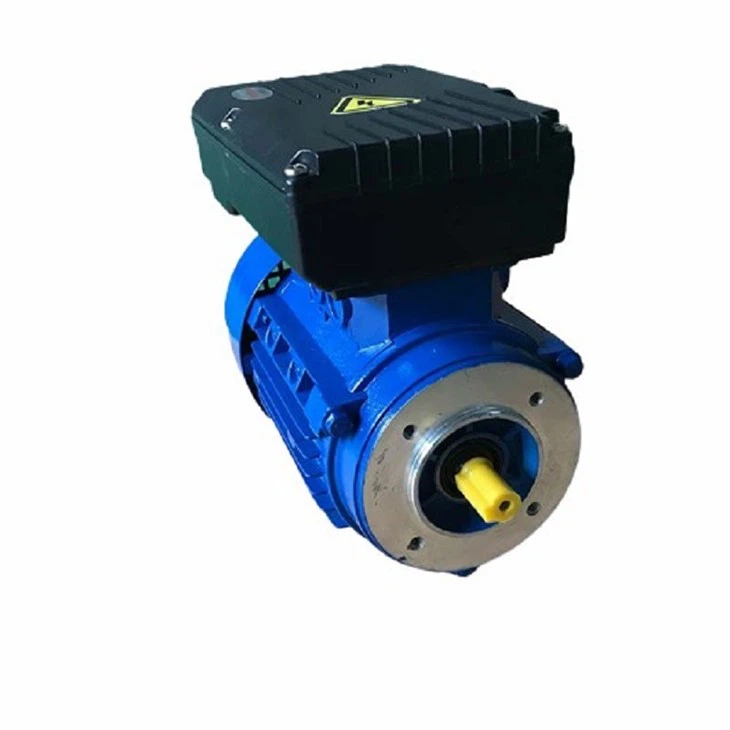
In conclusion, while IE3 motors offer higher efficiency compared to IE2 Aluminum Motors, the choice between the two depends on the specific requirements of the application. As a supplier of High Efficiency Motor Ie2, I am committed to helping customers make informed decisions. Our Ie2 Aluminum Motor range provides a cost - effective and reliable solution for many applications, while our knowledge of motor technology allows us to recommend the most suitable motor for each customer's needs.
If you are considering purchasing a motor for your industrial application, I encourage you to contact us for a detailed consultation. We can help you evaluate your requirements, compare the efficiency and cost of different motor options, and provide you with the best solution for your business. Whether you need a Single Phase Asynchronous Motor or a more powerful three - phase motor, we have the expertise and products to meet your needs.
References
- International Electrotechnical Commission (IEC) standards for motor efficiency.
- Industry reports on motor energy consumption and efficiency.
- Technical data sheets of IE2 Aluminum Motors and IE3 motors from leading manufacturers.