

What is the cost of an IE4 induction motor?
Oct 13, 2025
As a supplier of IE4 induction motors, I often get asked about the cost of these high - efficiency motors. Understanding the cost of an IE4 induction motor is crucial for businesses aiming to balance energy efficiency with budget constraints. In this blog, I'll break down the various factors that contribute to the cost of an IE4 induction motor and provide some insights into how these costs compare to other motor types.
Factors Affecting the Cost of IE4 Induction Motors
1. Material Costs
One of the primary factors influencing the cost of an IE4 induction motor is the materials used in its construction. IE4 motors are designed to be highly energy - efficient, which often requires the use of premium materials. For example, high - grade electrical steel is used in the motor's core to reduce magnetic losses. This type of steel has better magnetic properties than the steel used in lower - efficiency motors, but it also comes at a higher cost.
The windings in an IE4 induction motor are typically made of high - purity copper. Copper has excellent electrical conductivity, which helps to minimize electrical losses and improve the motor's efficiency. However, the price of copper can be volatile, and fluctuations in the market can have a significant impact on the overall cost of the motor.
2. Design and Manufacturing Complexity
IE4 induction motors are more complex to design and manufacture than their lower - efficiency counterparts. Achieving the high levels of efficiency required by the IE4 standard involves advanced engineering techniques and precise manufacturing processes.
The design of an IE4 motor often includes features such as optimized stator and rotor geometries, which require sophisticated computer - aided design (CAD) tools and simulation software. These tools help engineers to fine - tune the motor's performance and ensure that it meets the strict efficiency requirements.
In addition, the manufacturing process for IE4 motors is more precise and requires higher - quality control standards. For example, the winding process must be carefully controlled to ensure that the coils are evenly spaced and have the correct number of turns. Any deviation from the specifications can result in a decrease in the motor's efficiency, so manufacturers must invest in advanced manufacturing equipment and skilled labor to produce IE4 motors.
3. Testing and Certification
To be labeled as an IE4 induction motor, the motor must undergo rigorous testing to ensure that it meets the international efficiency standards. This testing process is both time - consuming and expensive.
Manufacturers must use specialized testing equipment to measure the motor's efficiency, power factor, and other performance parameters. The tests are typically conducted under a variety of operating conditions to ensure that the motor performs consistently in real - world applications.
Once the motor has passed the testing phase, it must be certified by an independent third - party organization. The certification process involves submitting detailed technical documentation and paying a certification fee. This additional cost is factored into the price of the IE4 induction motor.
Cost Comparison with Other Motor Types
1. IE1, IE2, and IE3 Motors
IE4 induction motors are generally more expensive than IE1, IE2, and IE3 motors. The higher cost is mainly due to the factors mentioned above, such as the use of premium materials, design and manufacturing complexity, and testing and certification requirements.
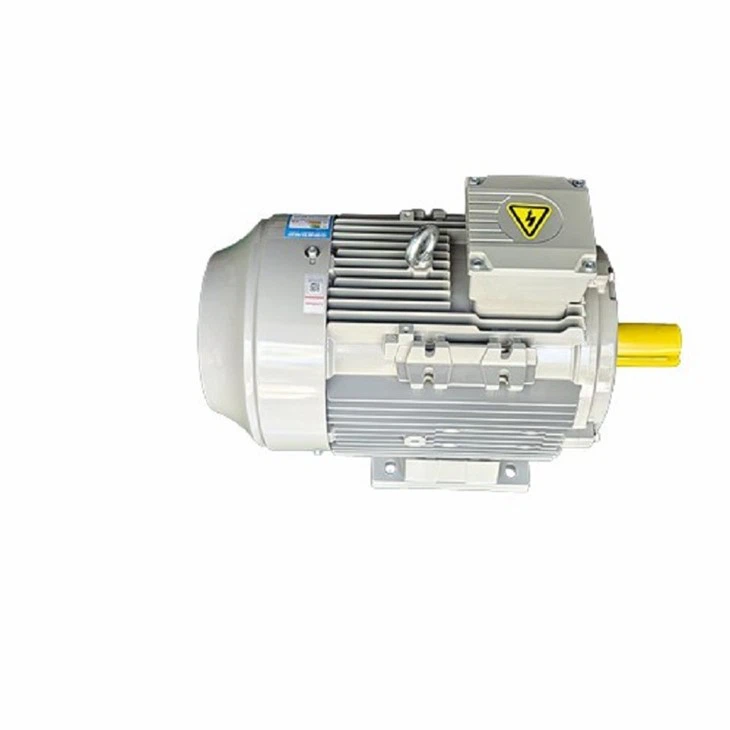

However, it's important to consider the long - term cost savings associated with IE4 motors. These motors are much more energy - efficient than lower - efficiency motors, which means that they consume less electricity over their lifetime. The energy savings can offset the higher initial cost of the motor, especially in applications where the motor operates for long hours or at high loads.
2. Permanent Magnet Motors
Permanent magnet motors are another type of high - efficiency motor that is often compared to IE4 induction motors. Permanent magnet motors are known for their very high efficiency and power density. However, they also have some disadvantages.
Permanent magnet motors typically use rare - earth magnets, which can be expensive and subject to supply chain risks. In contrast, IE4 induction motors do not rely on rare - earth materials, which makes them a more stable and cost - effective option in the long run.
Examples of IE4 Induction Motor Costs
The cost of an IE4 induction motor can vary widely depending on its power rating, size, and application. For small - power motors (up to 1 kW), the price can range from a few hundred dollars to over a thousand dollars. Medium - power motors (1 - 100 kW) can cost anywhere from a few thousand dollars to tens of thousands of dollars. Large - power motors (over 100 kW) can be even more expensive, with prices reaching hundreds of thousands of dollars.
It's important to note that these are just rough estimates, and the actual cost of an IE4 induction motor will depend on the specific requirements of the application and the manufacturer.
The Value of Investing in IE4 Induction Motors
Despite the higher upfront cost, investing in IE4 induction motors can provide significant long - term benefits. Here are some of the key advantages:
1. Energy Savings
As mentioned earlier, IE4 induction motors are highly energy - efficient. By using these motors, businesses can reduce their electricity consumption and lower their energy bills. In some cases, the energy savings can be substantial, especially in industries where motors account for a large portion of the total energy consumption.
2. Reduced Environmental Impact
Lower energy consumption also means a reduced environmental impact. IE4 induction motors help to reduce greenhouse gas emissions and contribute to a more sustainable future. Many businesses are now looking for ways to reduce their carbon footprint, and investing in high - efficiency motors is one effective way to achieve this goal.
3. Longer Lifespan and Lower Maintenance Costs
IE4 induction motors are designed to operate more efficiently, which puts less stress on the motor's components. This can result in a longer lifespan and lower maintenance costs over the life of the motor. Fewer breakdowns and less frequent maintenance mean less downtime for the business, which can translate into increased productivity.
Conclusion
The cost of an IE4 induction motor is influenced by several factors, including material costs, design and manufacturing complexity, and testing and certification requirements. While these motors are more expensive than lower - efficiency motors, they offer significant long - term benefits in terms of energy savings, reduced environmental impact, and lower maintenance costs.
If you're considering investing in IE4 induction motors for your business, I encourage you to contact us for more information. We are a leading supplier of Ie4 Induction Motor, Three Phase Aluminum Motor Ie4, and Ie4 Electric Motor. Our team of experts can help you select the right motor for your application and provide you with a detailed cost analysis. We look forward to discussing your requirements and helping you make an informed decision.
References
- International Electrotechnical Commission (IEC). "IEC 60034 - 30 - 1:2014 Rotating electrical machines - Part 30 - 1: Efficiency classes of single - speed, three - phase, cage induction motors (IE code)."
- U.S. Department of Energy. "Motor Efficiency and Performance."