

What is the RPM of a portable water pump motor?
Sep 05, 2025
RPM, or revolutions per minute, is a critical metric when it comes to understanding the performance of a portable water pump motor. As a supplier of Portable Water Pump Motors, I've encountered numerous inquiries regarding RPM and its significance. In this blog, I'll delve into what RPM means for a portable water pump motor, how it impacts performance, and why it matters to you.
What is RPM?
RPM refers to the number of complete rotations a motor shaft makes in one minute. In the context of a portable water pump motor, RPM is a key determinant of the pump's speed and power. A higher RPM generally means the motor can move water more quickly, but it also consumes more energy. Conversely, a lower RPM may result in slower water flow but could be more energy - efficient.
The RPM of a motor is closely related to its design and the electrical supply it receives. Most portable water pump motors are designed to operate at a specific RPM range, which is usually specified by the manufacturer. This range is determined by factors such as the motor's size, the type of winding used, and the intended application of the pump.
How RPM Affects Pump Performance
- Flow Rate: The flow rate of a water pump, measured in gallons per minute (GPM) or liters per minute (LPM), is directly influenced by the RPM of the motor. A higher RPM typically leads to a higher flow rate, as the impeller inside the pump spins faster, pushing more water through the system. For example, if you need to fill a large tank quickly, a pump with a higher RPM will be more suitable. On the other hand, if you're using the pump for a more delicate task, such as watering a garden, a lower RPM may be sufficient.
- Head Pressure: Head pressure refers to the height to which a pump can lift water. It is also affected by the RPM of the motor. A higher RPM can generate more pressure, allowing the pump to lift water to greater heights. This is crucial for applications where water needs to be pumped uphill or to a higher level, such as in multi - story buildings or agricultural irrigation systems.
- Energy Consumption: As mentioned earlier, a higher RPM generally means higher energy consumption. When the motor spins at a higher speed, it requires more electrical power to maintain that rotation. This can lead to increased operating costs over time. Therefore, it's important to choose a pump with an appropriate RPM for your specific needs to balance performance and energy efficiency.
Factors Influencing the RPM of a Portable Water Pump Motor
- Electrical Supply: The voltage and frequency of the electrical supply can have a significant impact on the RPM of the motor. Most portable water pump motors are designed to operate at a specific voltage and frequency, such as 110V or 220V at 50Hz or 60Hz. If the electrical supply deviates from these specifications, the RPM of the motor may change, affecting the pump's performance.
- Load on the Pump: The amount of water the pump needs to move, or the load on the pump, can also influence the RPM. If the pump is working against a high head pressure or has to move a large volume of water, the motor may slow down to some extent as it struggles to maintain the required power. This is known as "load - induced speed reduction."
- Motor Design and Efficiency: The design of the motor, including the number of poles and the type of winding, plays a crucial role in determining its RPM. Motors with fewer poles generally have a higher RPM, while those with more poles have a lower RPM. Additionally, the efficiency of the motor can affect how well it maintains its RPM under different load conditions.
Choosing the Right RPM for Your Portable Water Pump Motor
When selecting a portable water pump motor, it's essential to consider your specific requirements. Here are some guidelines to help you make the right choice:
- Determine Your Flow Rate and Head Pressure Needs: Calculate the amount of water you need to move and the height to which you need to lift it. This will give you an idea of the flow rate and head pressure required. Based on these requirements, you can choose a pump with an appropriate RPM.
- Consider Energy Efficiency: If you're concerned about energy costs, look for a pump with a lower RPM that can still meet your performance needs. Some modern pumps are designed to be more energy - efficient, using advanced motor technologies to reduce power consumption without sacrificing performance.
- Evaluate the Application: The type of application also matters. For example, if you're using the pump for emergency water removal during a flood, you may need a high - RPM pump to quickly move large volumes of water. However, if it's for a small - scale domestic use, a lower - RPM pump may be more appropriate.
Our Portable Water Pump Motors
As a supplier of Portable Water Pump Motors, we offer a wide range of products with different RPMs to suit various applications. Our motors are designed with high - quality materials and advanced technologies to ensure reliable performance and energy efficiency. Whether you need a pump for industrial, agricultural, or domestic use, we have the right solution for you.
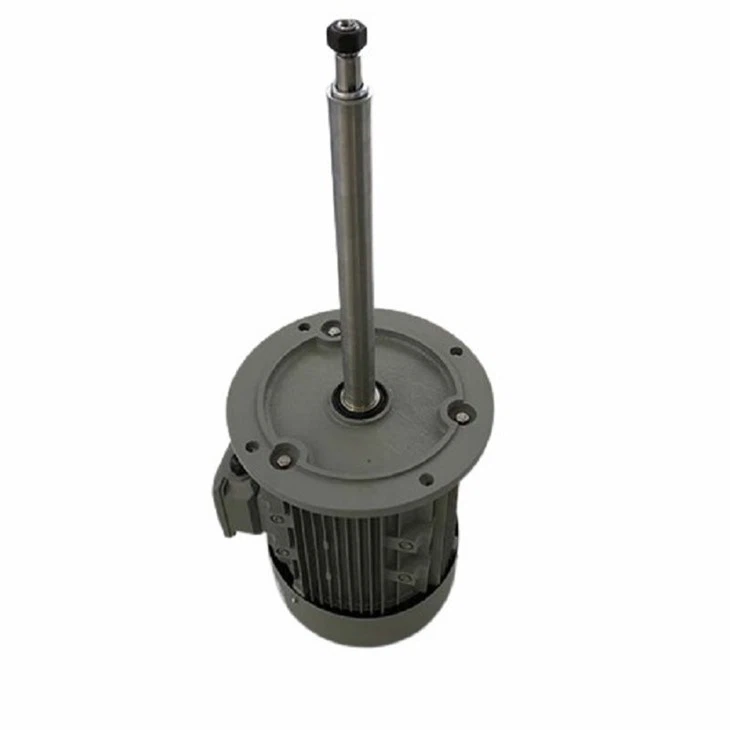

If you're interested in our Portable Water Pump Motor, we also have other related products such as Acid and Alkali Pump Chemical Pump Motor and Acid Pump Motor that may meet your specific requirements.
Contact Us for Purchase and Consultation
If you have any questions about the RPM of our portable water pump motors or need help choosing the right product for your application, please don't hesitate to contact us. Our team of experts is ready to assist you in making an informed decision. We look forward to discussing your needs and providing you with the best - suited portable water pump motor.
References
- "Pump Handbook" by Igor Karassik et al.
- "Electric Motors and Drives: Fundamentals, Types, and Applications" by Austin Hughes and Bill Drury.