

What is the shaft diameter of an IE4 Electric Motor?
Nov 11, 2025
What is the shaft diameter of an IE4 Electric Motor?
As a leading supplier of IE4 Electric Motors, I often encounter questions from customers regarding various technical specifications, and one of the frequently asked questions is about the shaft diameter of an IE4 Electric Motor. In this blog post, I will delve into the details of what the shaft diameter of an IE4 Electric Motor is, the factors influencing it, and its significance in motor applications.
Understanding IE4 Electric Motors
Before we discuss the shaft diameter, let's briefly understand what an IE4 Electric Motor is. IE4 motors belong to the highest energy - efficiency class defined by the International Electrotechnical Commission (IEC). These motors are designed to consume less energy compared to their predecessors, such as IE1, IE2, and IE3 motors. They are commonly used in industrial applications where energy savings and high - performance operation are crucial. You can learn more about Ie4 Electric Motor on our website.
What is Shaft Diameter?
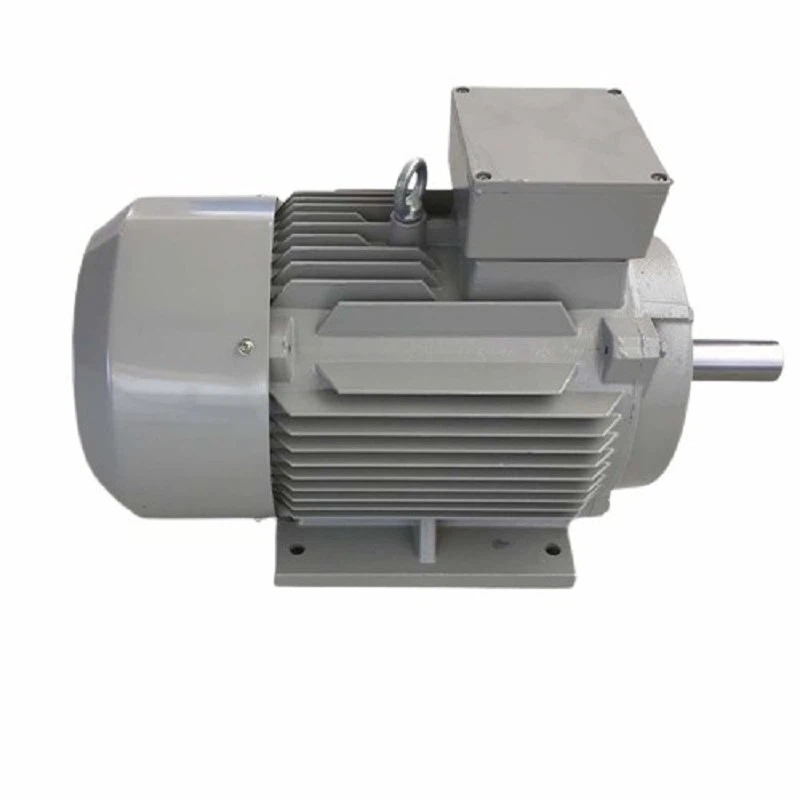
The shaft diameter of an electric motor refers to the thickness or the cross - sectional measurement of the motor's shaft. The shaft is the part of the motor that transfers mechanical power from the motor to the driven equipment, such as pumps, fans, conveyors, and compressors. It is a critical dimension because it determines the compatibility of the motor with the driven equipment and the amount of torque that can be transmitted.

Factors Influencing Shaft Diameter
Several factors influence the shaft diameter of an IE4 Electric Motor:
Power Rating
The power rating of the motor is one of the primary factors. Higher - power motors typically require larger shaft diameters. This is because a higher - power motor generates more torque, and a larger shaft is needed to handle the increased stress and prevent shaft failure. For example, a small IE4 motor with a power rating of 0.75 kW may have a shaft diameter of around 28 mm, while a larger motor with a power rating of 100 kW could have a shaft diameter of 110 mm or more.
Speed
The speed at which the motor operates also affects the shaft diameter. Motors operating at high speeds may require larger shaft diameters to maintain stability and reduce the risk of vibration. High - speed operation can cause centrifugal forces, which can put additional stress on the shaft. Therefore, to ensure smooth operation and prevent excessive wear and tear, a larger shaft diameter is often necessary.
Torque Requirements
The torque requirements of the driven equipment play a significant role in determining the shaft diameter. If the driven equipment requires a high starting torque or continuous high - torque operation, a larger shaft diameter is needed. For instance, in applications such as crushers or mixers, where high torque is required to start and maintain the operation of the equipment, motors with larger shaft diameters are preferred.
Application Type
The type of application also influences the shaft diameter. In some applications, such as precision machinery, a smaller shaft diameter may be sufficient because the torque requirements are relatively low, and the focus is on accuracy and smooth operation. On the other hand, in heavy - duty industrial applications like mining or steel production, larger shaft diameters are necessary to handle the high loads and harsh operating conditions.
Significance of Shaft Diameter
The shaft diameter of an IE4 Electric Motor has several important implications:
Compatibility
The shaft diameter must be compatible with the driven equipment. If the shaft diameter is too small, it may not be able to transmit the required torque, leading to slippage or shaft breakage. Conversely, if the shaft diameter is too large, it may not fit into the coupling or the driven equipment, making the motor unusable. Therefore, selecting the correct shaft diameter is crucial for ensuring a proper fit and efficient operation.
Torque Transmission
As mentioned earlier, the shaft diameter is directly related to the amount of torque that can be transmitted. A larger shaft diameter can withstand higher torque loads without deforming or breaking. This is essential for applications where high - torque operation is required, such as in industrial pumps and compressors.
Mechanical Stability
A proper shaft diameter contributes to the mechanical stability of the motor and the driven equipment. A shaft that is too small may cause excessive vibration, which can lead to premature wear of the motor bearings, coupling, and other components. On the other hand, a well - sized shaft helps to reduce vibration and ensures smooth and reliable operation.
Shaft Diameter Standards for IE4 Electric Motors
There are international standards that govern the shaft diameters of electric motors, including IE4 motors. These standards ensure uniformity and compatibility across different manufacturers and applications. For example, the IEC has specified shaft diameters for different power ratings and frame sizes of electric motors. Manufacturers typically adhere to these standards to ensure that their motors are interchangeable and can be easily integrated into various systems.
Our Product Range
We offer a wide range of Ie4 Induction Motor and Three Phase Aluminum Motor Ie4 with different shaft diameters to meet the diverse needs of our customers. Our experienced technical team can assist you in selecting the right motor with the appropriate shaft diameter for your specific application.
Conclusion
In conclusion, the shaft diameter of an IE4 Electric Motor is a critical parameter that is influenced by factors such as power rating, speed, torque requirements, and application type. It plays a vital role in ensuring compatibility with the driven equipment, efficient torque transmission, and mechanical stability. As a trusted supplier of IE4 Electric Motors, we are committed to providing high - quality motors with the right shaft diameters to meet your industrial needs.
If you are interested in purchasing IE4 Electric Motors or have any questions regarding shaft diameters or other technical specifications, please feel free to contact us for a detailed discussion and procurement negotiation.
References
- International Electrotechnical Commission (IEC) standards on electric motors.
- Technical literature from leading electric motor manufacturers.