

What is the ventilation system of an IE2 Aluminum Motor?
Oct 09, 2025
As a dedicated supplier of IE2 Aluminum Motors, I'm often asked about the ventilation system of these motors. In this blog post, I'll delve into the details of what the ventilation system of an IE2 Aluminum Motor is, its importance, and how it contributes to the overall performance and efficiency of the motor.
Understanding the Basics of IE2 Aluminum Motors
Before we dive into the ventilation system, let's briefly touch on what IE2 Aluminum Motors are. IE2 motors are high - efficiency motors that meet the IE2 energy efficiency standard, which is designed to reduce energy consumption and lower operating costs. The use of aluminum in these motors offers several advantages, such as lightweight construction, good thermal conductivity, and corrosion resistance.
IE2 Aluminum Motors are widely used in various industrial and commercial applications, including pumps, fans, compressors, and conveyors. Their high efficiency and reliable performance make them a popular choice for businesses looking to optimize their energy usage and improve the productivity of their equipment.
The Role of the Ventilation System
The ventilation system in an IE2 Aluminum Motor plays a crucial role in maintaining the motor's temperature within a safe and optimal range. When an electric motor operates, electrical energy is converted into mechanical energy, but not all of the energy is converted efficiently. Some of the energy is lost as heat due to electrical resistance in the windings, friction in the bearings, and other factors.
If the heat generated by the motor is not dissipated effectively, it can lead to several problems. High temperatures can cause the insulation of the motor windings to degrade over time, reducing the motor's lifespan and increasing the risk of electrical failures. Additionally, excessive heat can cause the lubricants in the bearings to break down, leading to increased friction and wear, which can ultimately result in bearing failure.
The ventilation system is responsible for removing the heat generated by the motor and dissipating it into the surrounding environment. By maintaining a proper operating temperature, the ventilation system helps to ensure the motor's reliability, efficiency, and longevity.
Types of Ventilation Systems in IE2 Aluminum Motors
There are several types of ventilation systems commonly used in IE2 Aluminum Motors, each with its own advantages and applications.

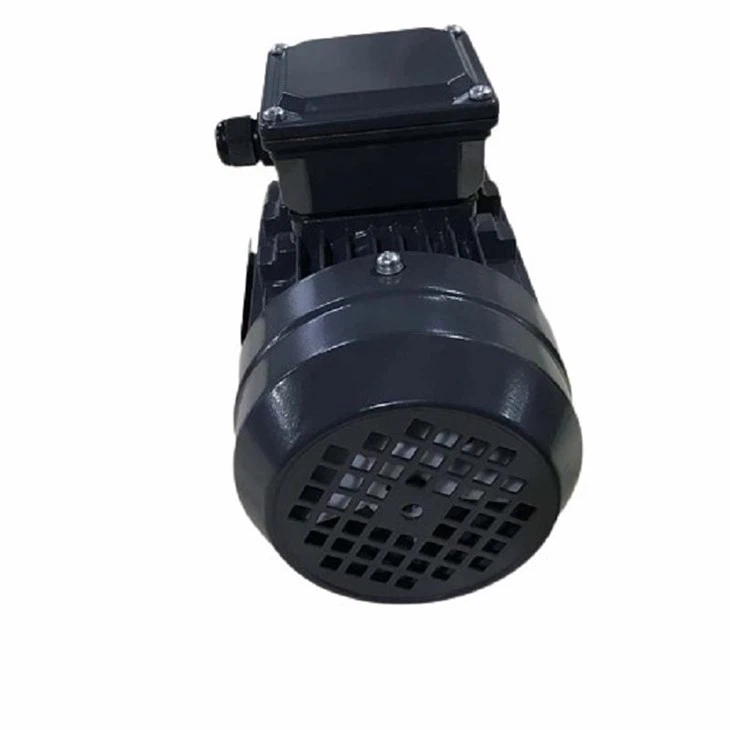
Open Drip - Proof (ODP) Ventilation
The Open Drip - Proof ventilation system is one of the simplest and most common types of ventilation systems used in IE2 Aluminum Motors. In an ODP motor, the motor is open to the surrounding environment, allowing air to flow freely through the motor to dissipate heat.
The motor housing has openings or vents that allow air to enter and exit the motor. These openings are designed to prevent large drops of liquid from entering the motor, but they do not provide protection against dust, dirt, or small particles. ODP motors are typically used in clean and dry environments where there is no risk of contamination from liquids or debris.
Totally Enclosed Fan - Cooled (TEFC) Ventilation
The Totally Enclosed Fan - Cooled ventilation system is another popular option for IE2 Aluminum Motors. In a TEFC motor, the motor is completely enclosed in a housing, which protects the internal components from dust, dirt, moisture, and other contaminants.
A fan is mounted on the motor shaft, which draws air over the outside of the motor housing to dissipate heat. The fan creates a forced - air flow that helps to cool the motor more effectively than natural convection. TEFC motors are suitable for a wide range of applications, including dirty, dusty, or wet environments, where protection against contaminants is required.
Totally Enclosed Non - Ventilated (TENV) Ventilation
The Totally Enclosed Non - Ventilated ventilation system is used in applications where the motor operates in a clean and dry environment and does not require external cooling. In a TENV motor, the motor is completely enclosed in a housing, and there is no external ventilation or cooling system.
The heat generated by the motor is dissipated through the motor housing by natural convection. TENV motors are typically used in low - power applications where the heat generated by the motor is relatively low and can be dissipated without the need for a forced - air cooling system.
Components of the Ventilation System
The ventilation system of an IE2 Aluminum Motor consists of several key components that work together to ensure effective heat dissipation.
Fan
The fan is a critical component of the ventilation system. It is responsible for creating the air flow that helps to cool the motor. In a TEFC motor, the fan is typically mounted on the motor shaft and rotates at the same speed as the motor. The size and design of the fan are carefully selected to provide the appropriate amount of air flow for the motor's cooling requirements.
Shroud
The shroud is a housing that surrounds the fan and directs the air flow over the motor housing. It helps to optimize the air flow pattern and ensure that the air is distributed evenly over the motor surface for maximum heat dissipation.
Vents and Openings
In ODP motors, the vents and openings in the motor housing allow air to enter and exit the motor. These vents are designed to provide a sufficient air flow while preventing large objects from entering the motor. In TEFC motors, the vents in the fan housing allow the air to be drawn in and expelled, facilitating the cooling process.
Benefits of a Well - Designed Ventilation System
A well - designed ventilation system in an IE2 Aluminum Motor offers several benefits.
Improved Efficiency
By maintaining a proper operating temperature, the ventilation system helps to reduce the energy losses in the motor. When the motor operates at a lower temperature, the electrical resistance in the windings is lower, which means that less energy is lost as heat. This results in improved motor efficiency and lower energy consumption.
Extended Lifespan
Effective heat dissipation helps to prevent the degradation of the motor's insulation and lubricants, which can significantly extend the motor's lifespan. By reducing the wear and tear on the internal components, the ventilation system helps to ensure the long - term reliability of the motor.
Enhanced Reliability
A motor that operates at a stable and optimal temperature is less likely to experience electrical failures, bearing failures, and other problems. The ventilation system helps to ensure the motor's reliability, reducing downtime and maintenance costs for the end - user.
Conclusion
The ventilation system of an IE2 Aluminum Motor is a critical component that plays a vital role in the motor's performance, efficiency, and longevity. By effectively dissipating the heat generated by the motor, the ventilation system helps to maintain a proper operating temperature, ensuring the motor's reliability and reducing the risk of failures.
As a supplier of Ie2 Aluminum Motor, we understand the importance of a well - designed ventilation system in our motors. Our IE2 Aluminum Motors are engineered with high - quality ventilation systems to provide optimal cooling performance and ensure the long - term reliability of our products.
If you're in the market for high - efficiency electric motors, we offer a wide range of High Efficiency Motor Ie2 and Single Phase Asynchronous Motor options to meet your specific needs. Whether you need a motor for a small - scale application or a large - industrial project, our team of experts can help you select the right motor and ventilation system for your requirements.
We invite you to contact us to discuss your motor needs and explore how our IE2 Aluminum Motors can provide you with reliable, efficient, and cost - effective solutions. Our experienced sales team is ready to assist you with your procurement and answer any questions you may have.
References
- Electric Motor Handbook, Third Edition, by Arnold E. Fitzgerald, Charles Kingsley Jr., and Stephen D. Umans
- IEEE Standard 112 - 2004, Standard Test Procedures for Polyphase Induction Motors and Generators