

What is the frequency range for an IE2 Aluminum Motor?
Aug 08, 2025
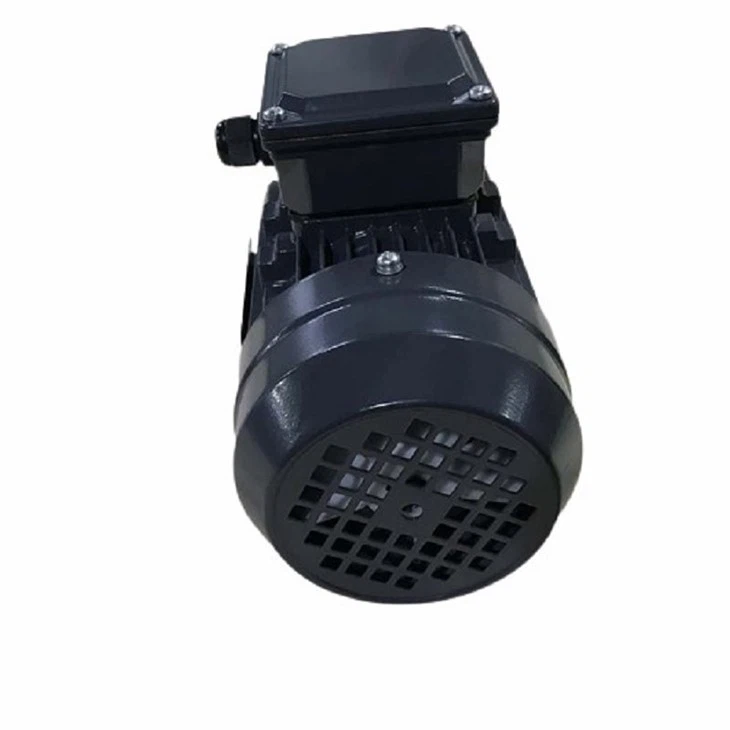
In the dynamic landscape of industrial machinery, the IE2 Aluminum Motor stands out as a remarkable innovation, offering a blend of efficiency, durability, and performance. As a trusted supplier of IE2 Aluminum Motors, I am excited to delve into the intricacies of this technology, with a particular focus on its frequency range. Understanding the frequency range of an IE2 Aluminum Motor is crucial for optimizing its performance and ensuring it meets the specific requirements of various applications.
The Basics of Motor Frequency
Before we explore the frequency range of an IE2 Aluminum Motor, it's essential to understand the concept of motor frequency. Frequency, measured in Hertz (Hz), refers to the number of cycles per second in an alternating current (AC) power supply. In most parts of the world, the standard power supply frequency is either 50 Hz or 60 Hz. The frequency of the power supply directly affects the speed of an AC motor, as the synchronous speed of an AC motor is determined by the frequency of the power supply and the number of poles in the motor.
The synchronous speed (Ns) of an AC motor can be calculated using the following formula:
Ns = (120 * f) / P
Where:
- Ns is the synchronous speed in revolutions per minute (RPM)
- f is the frequency of the power supply in Hertz (Hz)
- P is the number of poles in the motor
From this formula, we can see that the synchronous speed of an AC motor is directly proportional to the frequency of the power supply. Therefore, changing the frequency of the power supply can effectively control the speed of the motor.
Frequency Range of an IE2 Aluminum Motor
The frequency range of an IE2 Aluminum Motor typically depends on several factors, including the motor's design, construction, and intended application. In general, most IE2 Aluminum Motors are designed to operate within a frequency range of 50 Hz to 60 Hz, which corresponds to the standard power supply frequencies in most countries. However, some advanced IE2 Aluminum Motors can operate at variable frequencies, allowing for precise speed control and energy savings.
Variable frequency drives (VFDs) are commonly used to control the frequency and speed of IE2 Aluminum Motors. A VFD converts the incoming AC power supply to DC power and then back to AC power at a variable frequency and voltage. By adjusting the frequency and voltage output of the VFD, the speed of the motor can be controlled over a wide range. This not only allows for precise speed control but also enables the motor to operate at its most efficient speed, resulting in significant energy savings.
The frequency range of an IE2 Aluminum Motor equipped with a VFD can typically range from 0 Hz to several hundred Hz, depending on the capabilities of the VFD and the motor. For example, some VFDs can operate at frequencies as low as 0.1 Hz, allowing for very slow and precise speed control, while others can operate at frequencies up to 400 Hz or higher, enabling high-speed operation.
Benefits of a Wide Frequency Range
A wide frequency range offers several benefits for IE2 Aluminum Motors, including:
- Precise Speed Control: A wide frequency range allows for precise speed control, enabling the motor to operate at the exact speed required for a particular application. This is particularly important in applications where precise speed control is critical, such as conveyor systems, pumps, and fans.
- Energy Savings: By operating the motor at its most efficient speed, a wide frequency range can result in significant energy savings. This is because the motor consumes less energy when operating at its optimal speed, reducing overall energy costs.
- Improved Performance: A wide frequency range can also improve the performance of the motor by allowing it to operate at different speeds and loads. This can result in smoother operation, reduced wear and tear, and longer motor life.
- Versatility: A wide frequency range makes the IE2 Aluminum Motor more versatile, allowing it to be used in a variety of applications with different speed and load requirements. This increases the motor's applicability and makes it a more cost-effective solution for many industries.
Applications of IE2 Aluminum Motors with a Wide Frequency Range
IE2 Aluminum Motors with a wide frequency range are used in a variety of applications across different industries, including:
- Industrial Automation: In industrial automation applications, such as conveyor systems, robotic arms, and packaging machinery, precise speed control is essential. IE2 Aluminum Motors with a wide frequency range can provide the precise speed control required for these applications, ensuring smooth and efficient operation.
- HVAC Systems: In heating, ventilation, and air conditioning (HVAC) systems, IE2 Aluminum Motors with a wide frequency range can be used to control the speed of fans and pumps. This allows for precise temperature and humidity control, resulting in energy savings and improved comfort.
- Water and Wastewater Treatment: In water and wastewater treatment plants, IE2 Aluminum Motors with a wide frequency range are used to control the speed of pumps and blowers. This allows for precise flow control, ensuring efficient operation and reducing energy consumption.
- Renewable Energy: In renewable energy applications, such as wind turbines and solar power systems, IE2 Aluminum Motors with a wide frequency range can be used to control the speed of generators and pumps. This allows for efficient energy conversion and storage, maximizing the output of renewable energy systems.
Choosing the Right IE2 Aluminum Motor for Your Application
When choosing an IE2 Aluminum Motor for your application, it's important to consider the frequency range requirements of your application. Here are some factors to consider:
- Application Requirements: Determine the specific speed and load requirements of your application. This will help you determine the appropriate frequency range for the motor.
- Power Supply: Consider the frequency of the power supply in your area. Most IE2 Aluminum Motors are designed to operate at either 50 Hz or 60 Hz, so make sure the motor you choose is compatible with your power supply.
- Variable Frequency Drive (VFD): If you require precise speed control or energy savings, consider using a VFD with your IE2 Aluminum Motor. Make sure the VFD is compatible with the motor and has the appropriate frequency range for your application.
- Efficiency: Look for an IE2 Aluminum Motor with high efficiency ratings. This will help you reduce energy costs and minimize environmental impact.
Conclusion
As a leading supplier of High Efficiency Motor Ie2, Single Phase Asynchronous Motor and Ie2 Aluminum Motor, we understand the importance of providing high-quality products that meet the specific needs of our customers. Our IE2 Aluminum Motors are designed to offer a wide frequency range, allowing for precise speed control, energy savings, and improved performance. Whether you're looking for a motor for industrial automation, HVAC systems, water and wastewater treatment, or renewable energy applications, we have the right solution for you.
If you're interested in learning more about our IE2 Aluminum Motors or would like to discuss your specific requirements, please don't hesitate to contact us. Our team of experts is ready to assist you in choosing the right motor for your application and providing you with the support and service you need.

References
- Electric Motor Handbook, Second Edition, by Paul C. Krause, Oleg Wasynczuk, and Scott D. Sudhoff
- Variable Frequency Drives: Application and Maintenance, by William B. Betz
- Energy-Efficient Electric Motor Systems: A Guide to Saving Energy and Money, by the U.S. Department of Energy